Fly with Condor to Austria
5 reasons to travel to Austria
Instagrammable Spots in Austria
Fly with Condor to Austria
+
5 Reasons to travel to Austria
+
Instagrammable Spots
+
Fly with Condor to Austria (AT)
Austria is a landlocked country in Central Europe, bordered by Germany, Italy and several countries of Central and Eastern Europe. The landscape ranges from the Eastern Alps to lowland areas around the Danube Valley, creating clear seasonal differences throughout the year. Austria has a temperate climate with cold winters in many regions and warm summers, especially in the east. It is well connected within Europe, with Vienna as a major transport and cultural center.
☀️ Best time to go: May–September, generally warmer temperatures and longer daylight; December–March for winter conditions in Alpine areas
🏛️ Best known for: Alpine landscapes, Classical music, Architecture, Skiing, Coffeehouse culture
🗣️ Language: German
💵 Currency: Euro (EUR)
5 Reasons Why You Should Travel to Austria (AT)
1. Alpine landscapes for hikes and panoramas
Austria’s Alps bring you cable cars, high trails and clear lakes in one compact country. Hike in Tirol or the Salzkammergut, cycle valley paths or take a scenic drive to viewpoints where jagged peaks frame deep-green forests.
2. Classical music and imperial-era cityscapes
Austria’s cities turn history into everyday scenery, from Vienna’s Ringstrasse to Salzburg’s baroque lanes. Step into concert halls, palaces and museums, then balance big sights with café stops and market strolls in local neighborhoods.
3. Hearty regional cooking and café traditions
Food in Austria moves from mountain comfort to refined city pastry culture. Try Wiener schnitzel, kasnocken and seasonal dishes, then linger over coffee with a slice of Sachertorte or apfelstrudel. Wine taverns add a local rhythm.
4. Lake districts and spa towns for downtime
For slower days, Austria pairs shimmering lakes with wellness traditions. Swim and paddle on Wolfgangsee or Wörthersee, then unwind in thermal baths in places like Bad Ischl or Bad Gastein. Forest walks and saunas round out the reset.
5. Villages, rail routes and castle-lined valleys
Beyond the headline cities, you’ll find storybook villages, river valleys and easy rail connections. Ride trains through the Wachau or along alpine routes, then detour to castles and monasteries on hilltops. It’s ideal for short hops or road trips.
Instagrammable Spots in Austria (AT)
Hallstatt Lakeside View from the Market Square
In Hallstatt, the classic frame is the village stacked above the water, with steep roofs and church spires mirrored by the lake. Shoot from the lakeside near the Market Square to layer boats in the foreground and the Dachstein massif behind. Soft morning light keeps the scene calm and adds pastel tones to the facades. In still weather, wait for ripples to settle for cleaner reflections. #WaterScapes #ReflectionsEverywhere #PostcardEurope
Klimt’s “The Kiss” at Belvedere Palace
Inside the Upper Belvedere, Klimt’s gold leaf textures and intricate patterns translate beautifully in close-up detail shots. Frame the artwork with a slight angle to capture the shimmer without glare and let the ornamentation fill your composition. The palace rooms add extra depth with white walls and classical trim, creating a refined gallery look. Keep your edits warm to match the painting’s metallic tones. #DetailShot #CinematicTones #EuroWanderlust
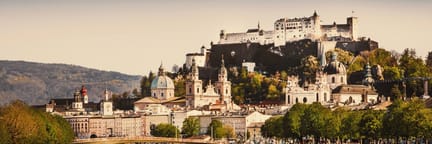
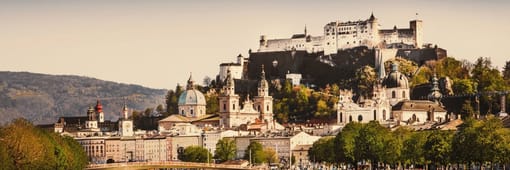
Salzburg Old Town & Fortress View from Kapuzinerberg
Climb to Kapuzinerberg for a layered skyline: church domes, the Salzach River and Hohensalzburg Fortress set against mountain edges. Late-day light rakes across rooftops and pulls out the geometry of the baroque streets below. Use a telephoto look to compress the city and fortress into one tight frame. Stick to marked paths for the best and safest angles near overlooks. #ElevatedViews #ChasingViews #TimelessEurope
St. Wolfgang on Wolfgangsee from the Lakeside Promenade
St. Wolfgang gives you a clean lakeside composition with the white church tower as a focal point and the Schafberg rising behind it. Walk the promenade to find leading lines from docks and railings that guide the eye into the village. On clear days, polarizing-style edits help separate blue water from the green slopes. It’s especially photogenic when small boats add scale and motion to the scene. #EuropeanStreets #LeadingLines #HiddenGemsEurope
Grossglockner High Alpine Road Hairpin Vistas
Along the Grossglockner High Alpine Road, switchbacks carve bold curves into the mountains, creating natural lines for wide-angle landscape shots. Look for viewpoints where the road arcs through the frame and glaciers or rocky peaks sit in the distance. Cloud shadows can add contrast and drama across the slopes without heavy editing. Keep your footing secure and stay within designated lookout areas when shooting near the roadside. #AlpineDreamscape #WideAngleLens #ExploreToCreate
Wachau Valley Vineyards & the Danube from Dürnstein Ruins
From the Dürnstein Castle ruins, you can frame the Danube as a silver ribbon cutting through vineyards and small river towns. Stone walls and arches make ready-made foreground elements for depth and texture. Aim for late afternoon when the valley shifts into warmer tones and the river catches light. A slightly elevated perspective helps you build a strong S-curve composition with the waterway. #GoldenHourGlow #FramedByArchitecture #JourneyInFrames
Innsbruck’s Golden Roof from Herzog-Friedrich-Strasse
The Golden Roof reads best when you let the gilded tiles catch side light, creating a crisp shimmer against painted historic facades. Stand back on Herzog-Friedrich-Strasse to include the narrow street perspective and mountain backdrop in one frame. Look for clean symmetry with balconies and windows to keep the shot structured. Early hours help you photograph the scene with fewer people and softer shadows. #ArchitecturalDetails #SymmetryHunters #EuroArchitecture
St. Anton am Arlberg Mountain Meadows on the Galzig Trail
In warmer months, the trails above St. Anton open into high meadows with grasses, wildflowers and big sky panoramas. Compose with a winding path or fence line to guide the eye toward rugged peaks. After a light rain, colors deepen and textures pop in close and wide shots alike. Keep layers in your frame—foreground plants, mid-distance huts and the ridge line—for a strong sense of scale. #NatureVibes #PathwayPerspective #EpicLandscapes