Condor Choice Fare
Find out more about our Economy Choice, Premium Choice and Business Choice fares, and their contribution to future CO₂ savings potential.
Find out more about our Economy Choice, Premium Choice and Business Choice fares, and their contribution to future CO₂ savings potential.
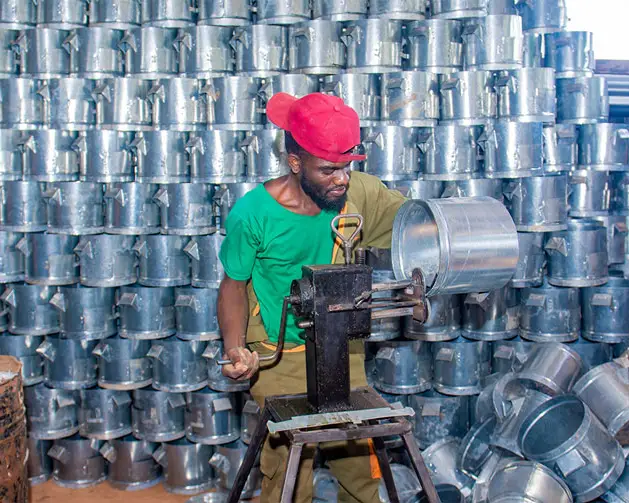
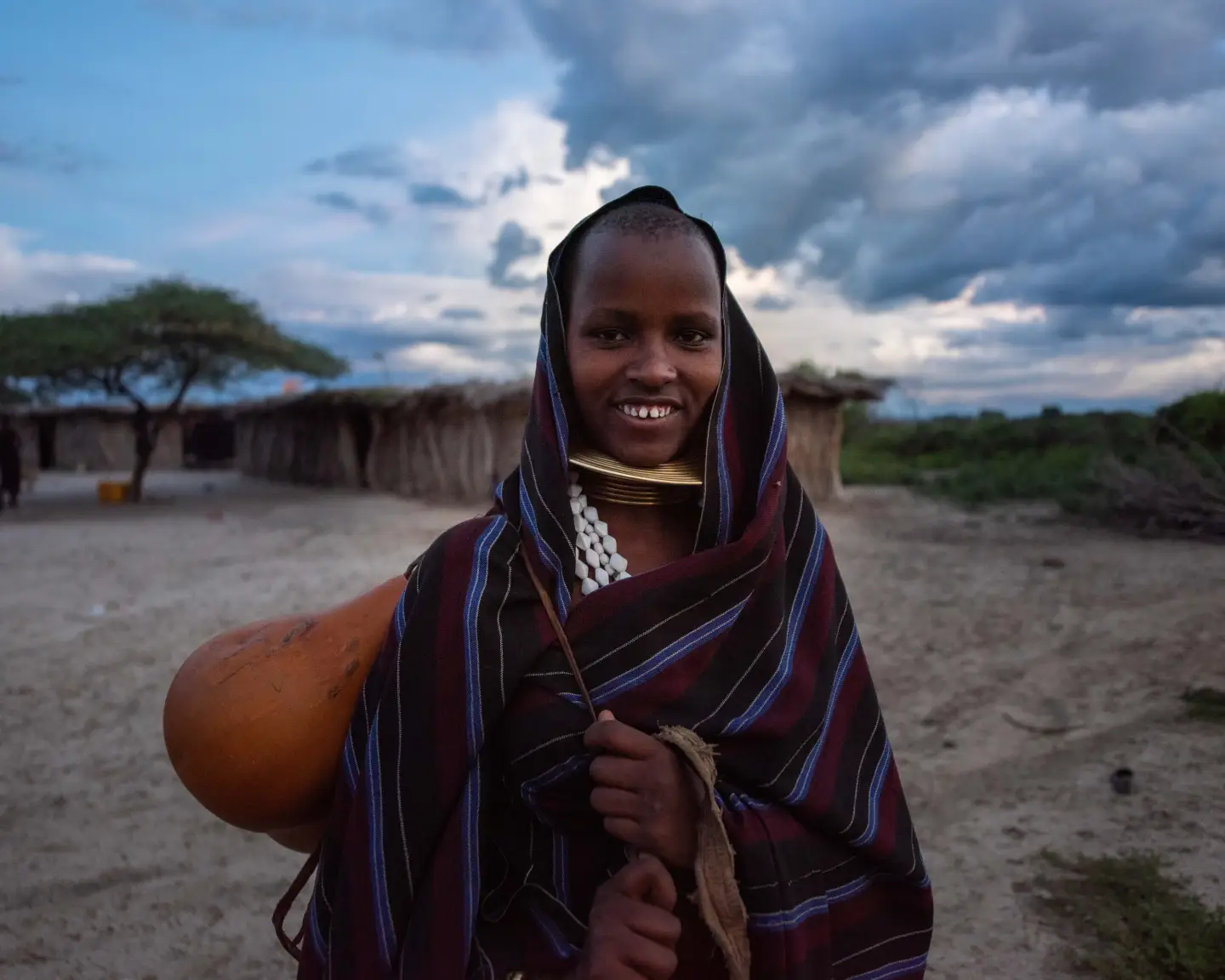
As part of the Choice Fares – Economy Choice, Premium Choice and Business Choice – you contribute an amount equivalent to the kerosene-related CO₂ emissions of your Condor or Marabu flight. This contribution towards future CO₂ savings potential is partially allocated to the promotion of two selected climate protection projects by our renowned partner myclimate and to increasing the future uplift of sustainable aviation fuel (Sustainable Aviation Fuel - SAF) above legal requirements.
Would you like to find out more about the projects supported in collaboration with myclimate? Have a look at our overview of all climate protection projects.




The following explains to which extent Choice Fares support the selected climate protection projects and the uplift of Sustainable Aviation Fuel (SAF).
The level of support for climate protection projects and the uplift of additional SAF (Sustainable Aviation Fuel) above legal requirements is based on the flight-specific CO₂ emissions of the respective travel class of your Condor or Marabu flight beyond legal requirements. Kerosene-related CO₂ emissions are calculated in accordance with the IATA standard RP 1726, using historical flight data.
Choice Fares are not booked additionally. They form an independent and directly bookable fare alongside Economy Class, Premium Economy Class, or Business Class fares. With Economy Choice, Premium Choice and Business Choice, we provide all the advantages of our fare families, along with more flexible rebooking options and additional benefits.
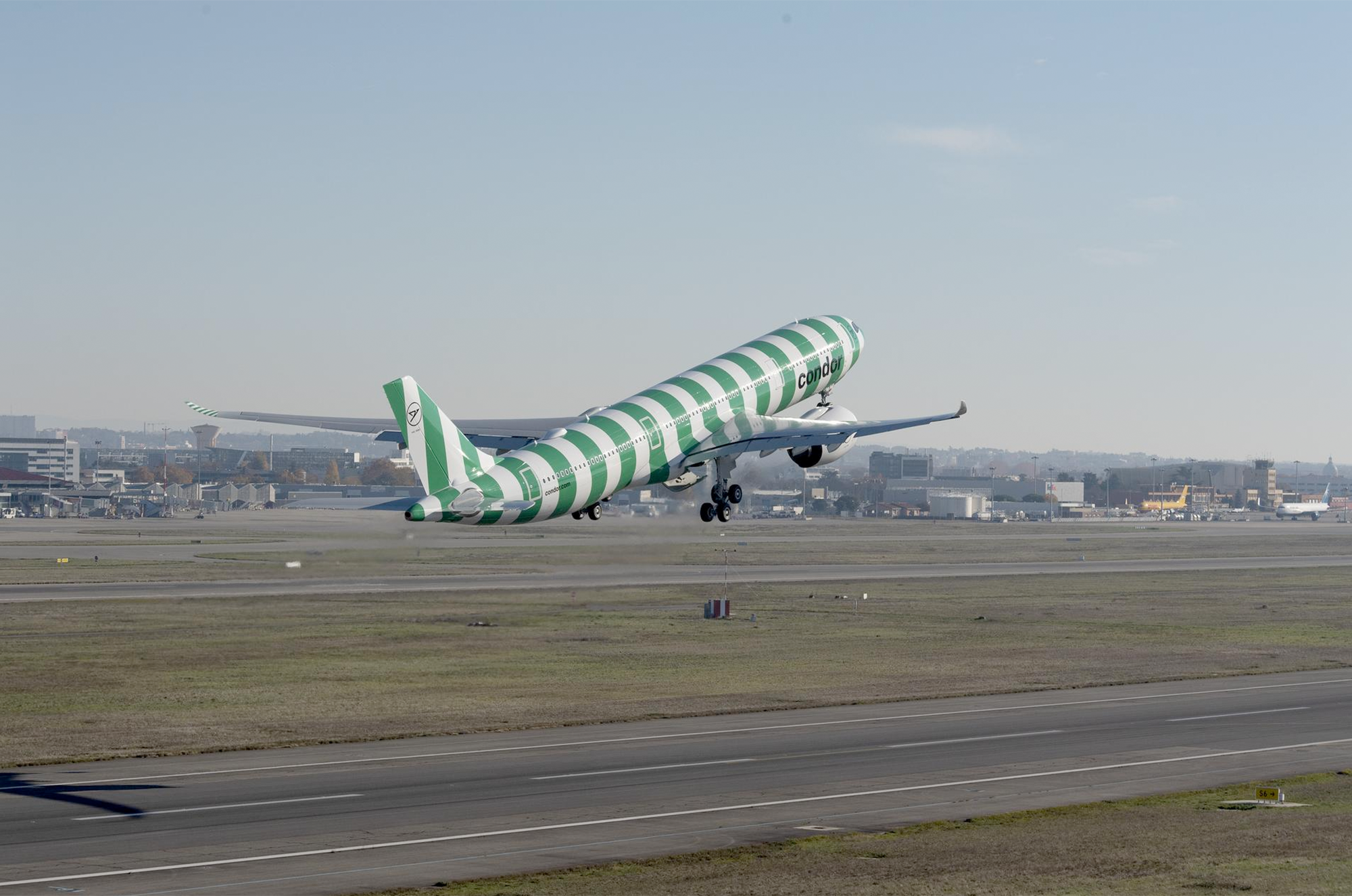
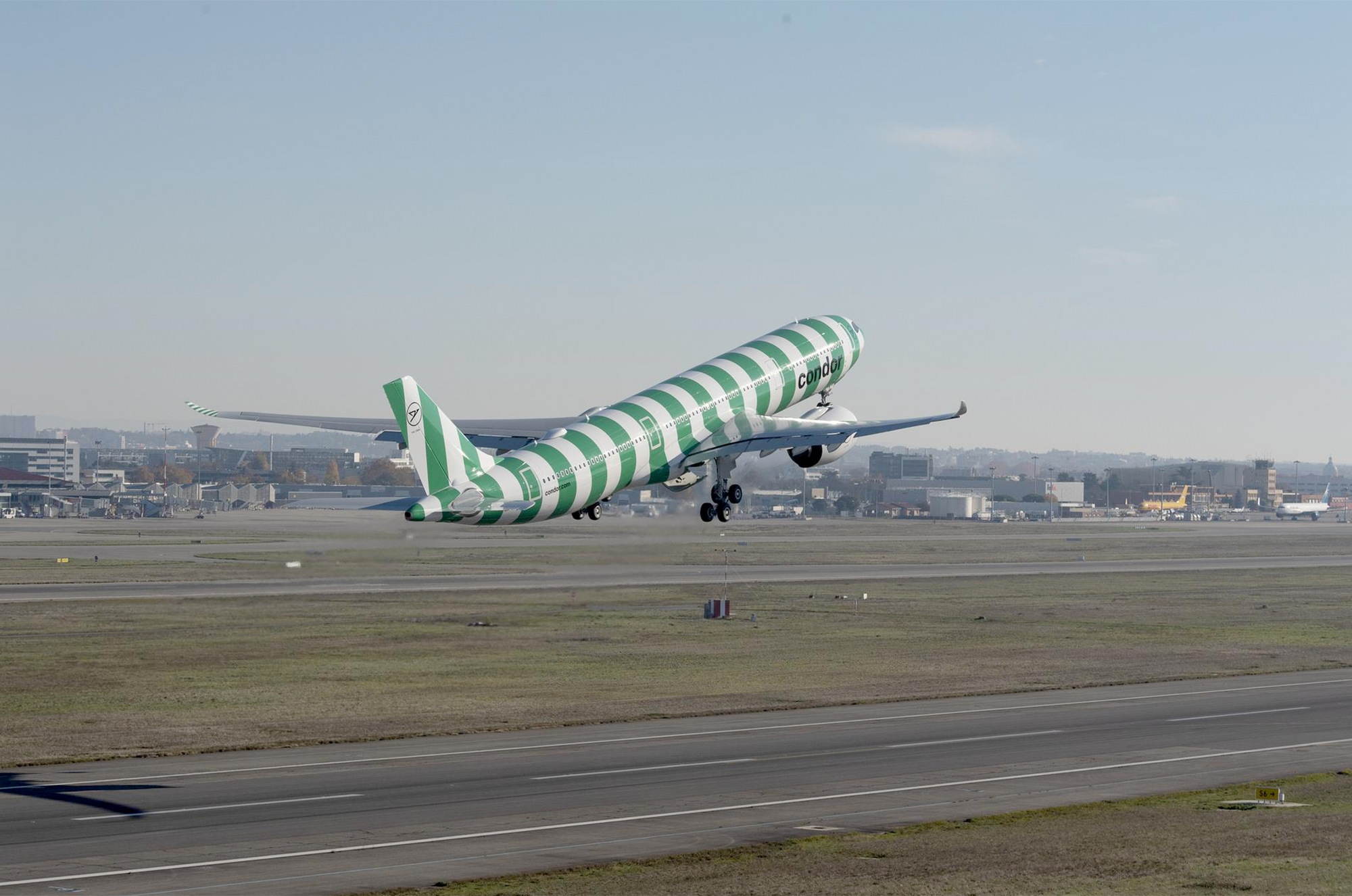
Sustainable Aviation Fuel – SAF for short – is an umbrella term for sustainable aviation fuels. They can reduce lifecycle CO₂ emissions by up to 80 percent compared to fossil kerosene (Source: SAF: Aviation Fuel | Moeve).
SAF is produced from waste such as used cooking oil, plant residues or biomass without the use of fossil raw materials such as petroleum – materials that do not compete with food production. In addition to SAF from residual materials, electricity-based Power-to-Liquid fuels are also in development, also referred to as PtL or eSAF. For use in aviation, SAF is blended with conventional kerosene. One of the advantages of SAF as a "drop-in fuel" is that the existing infrastructure can be used without any issues.
Find out here how you can contribute to the future increase in the use of SAF with the Condor Choice Fare.
Alternative fuels are an important building block for reducing greenhouse gas emissions in aviation while using the existing aircraft fleet and infrastructure. As part of the Choice Fares, Condor purchases SAF and uplifts it on future Condor flights. These are SAF quantities beyond the legal requirements.
Moreover, according to the German Aerospace Center (DLR), Sustainable Aviation Fuel (SAF) can help reduce contrails and climate impacts in aviation. This is because SAF contains fewer aromatic compounds than kerosene, resulting in fewer soot particles. This reduces, for example, the formation of ice crystals and thus the formation of cirrus clouds, which contribute to global warming.