Climate protection projects: Cooperation with myclimate
Only those who critically assess how they interact with their environment and nature can be well-prepared for the future. These aspects are an important part of Condor Company culture.
Only those who critically assess how they interact with their environment and nature can be well-prepared for the future. These aspects are an important part of Condor Company culture.
By making a climate contribution, you are joining us in supporting the following three projects by our partner myclimate as well as the use of Sustainable Aviation Fuel (SAF). You have the option of selecting a package tailored to your needs and personal use. You can choose from eight different climate packages. You may even make a greater contribution than for your pure flight by buying a climate contribution exceeding the CO2 footprint of your Condor flight as indicated on our website, and therefore you can also take responsibility for your trip to the airport or your CO2 footprint at your destination.
With Choice Fares you're joining us in supporting the following two projects by our partner myclimate as well as the use of Sustainable Aviation Fuel (SAF).
A community savings and loan association was created for the rural communities of the Siaya region in western Kenya as part of this project. These savings associations are important because people in rural areas would not otherwise be able to get a loan from a normal bank as they lack a fixed income as security. Women in particular benefit from the savings and loan association, because the secure financing options enable them to become independent. On average, the 15 women meet two to four times a month. They join forces to form "financial institutions" that make joint decisions and empower each other. As a result, many of them can now afford things like medical care, school fees, high-quality seeds or an efficient stove.
In rural communities, cooking is traditionally done on open fires, which consume vast amounts of firewood. Locally made stoves lead to a reduced demand for firewood, which protects local forests and reduces CO2 emissions. This saves households money and frees up time for finding firewood, while the more efficient combustion process significantly improves air quality inside homes.
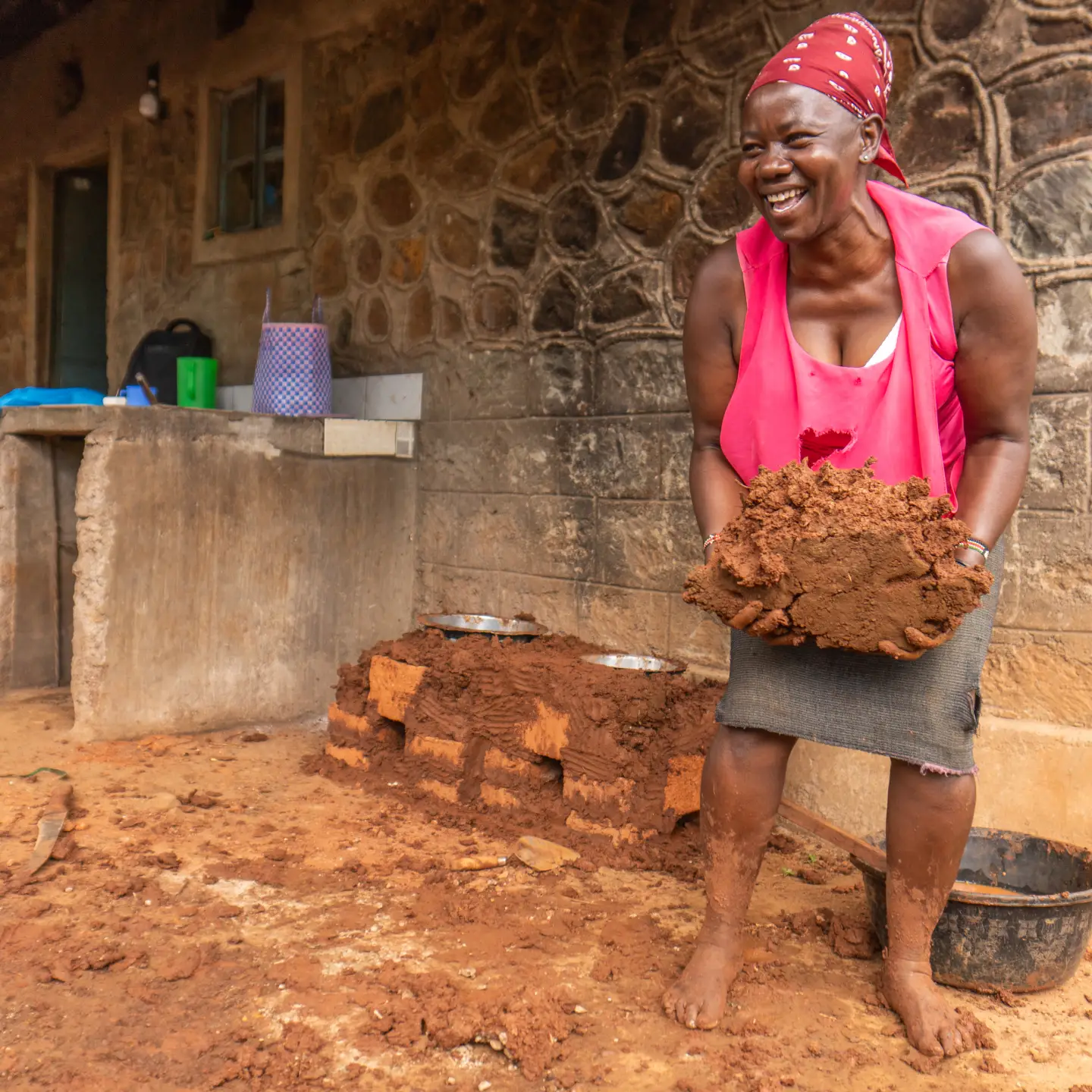
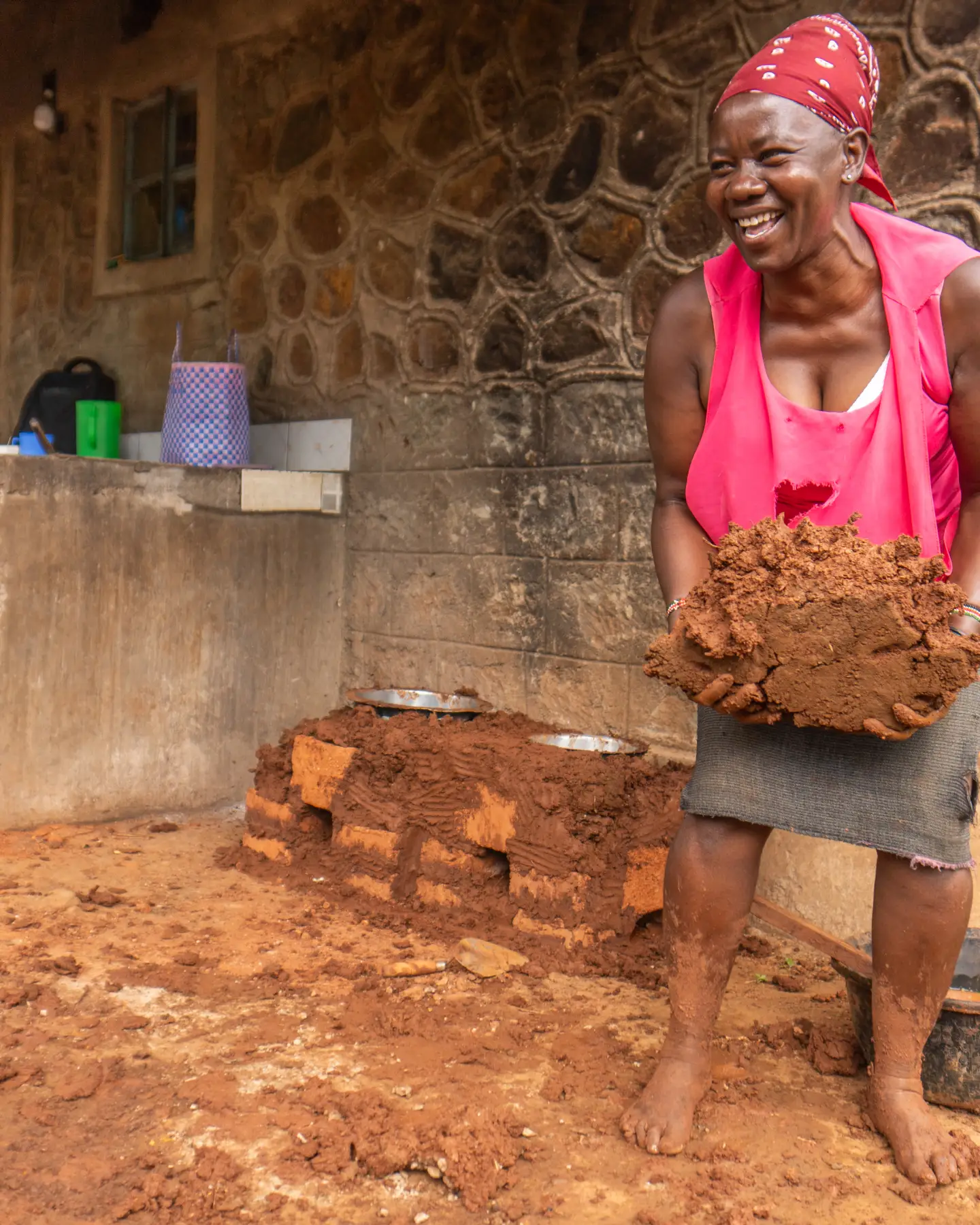
In the hills of Nyamira County, where the majority of farmers grow tea, over 90% of rural households use firewood as their sole source of energy, while 70% of the urban population use charcoal. This contributes to deforestation and water scarcity, endangering agricultural production.
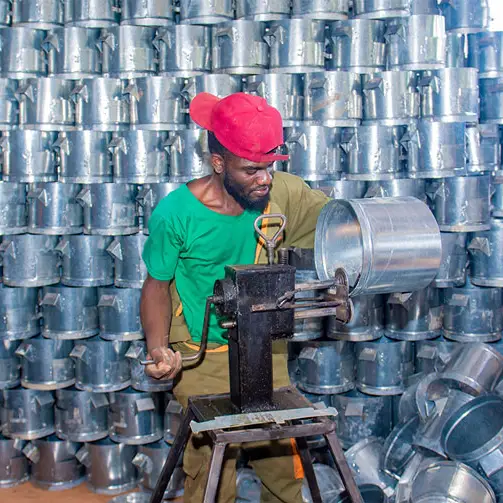
This is where our climate protection project comes in: energy-efficient cooking stoves produced locally reduce CO₂ emissions, protect forests and create new income opportunities, especially for women and young people.
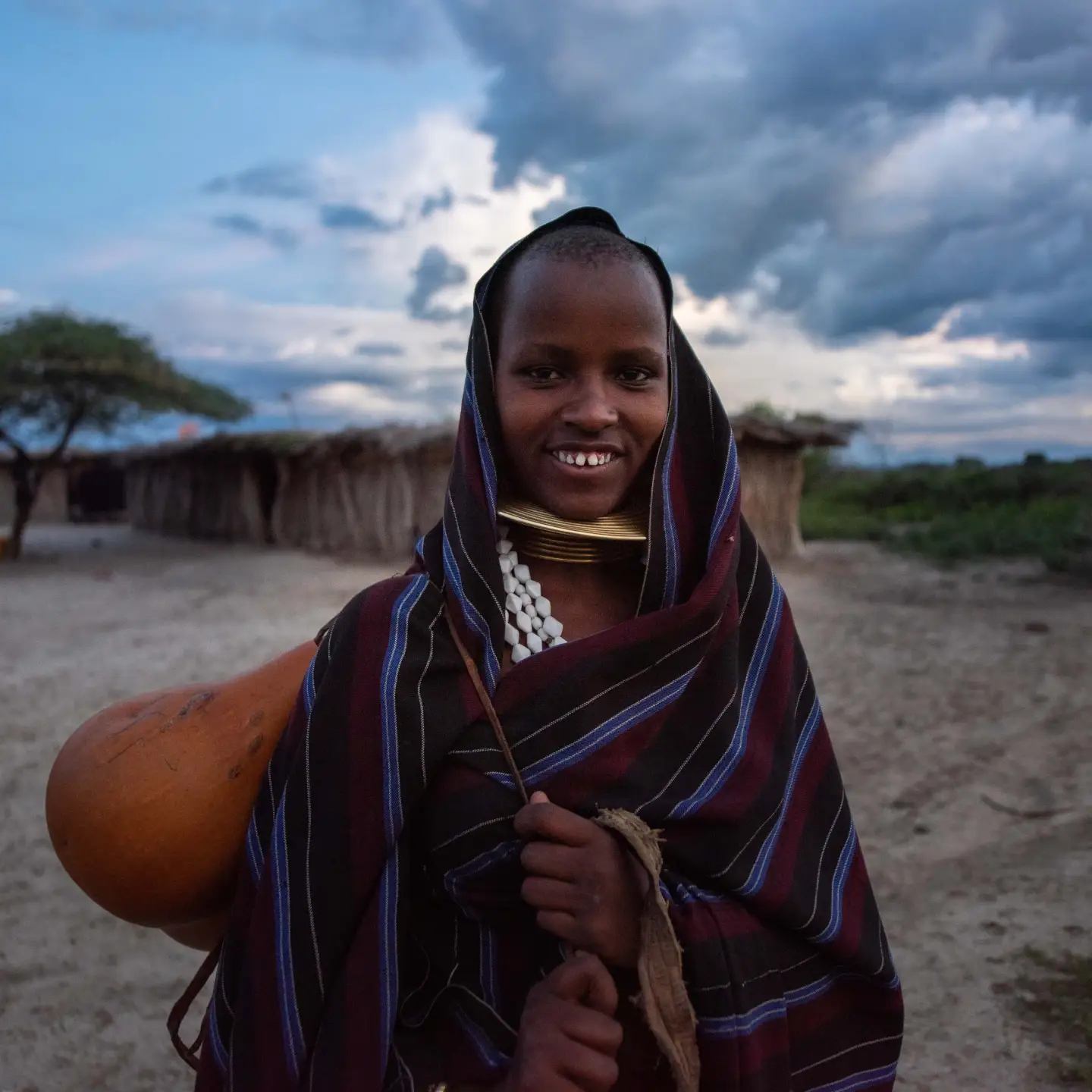
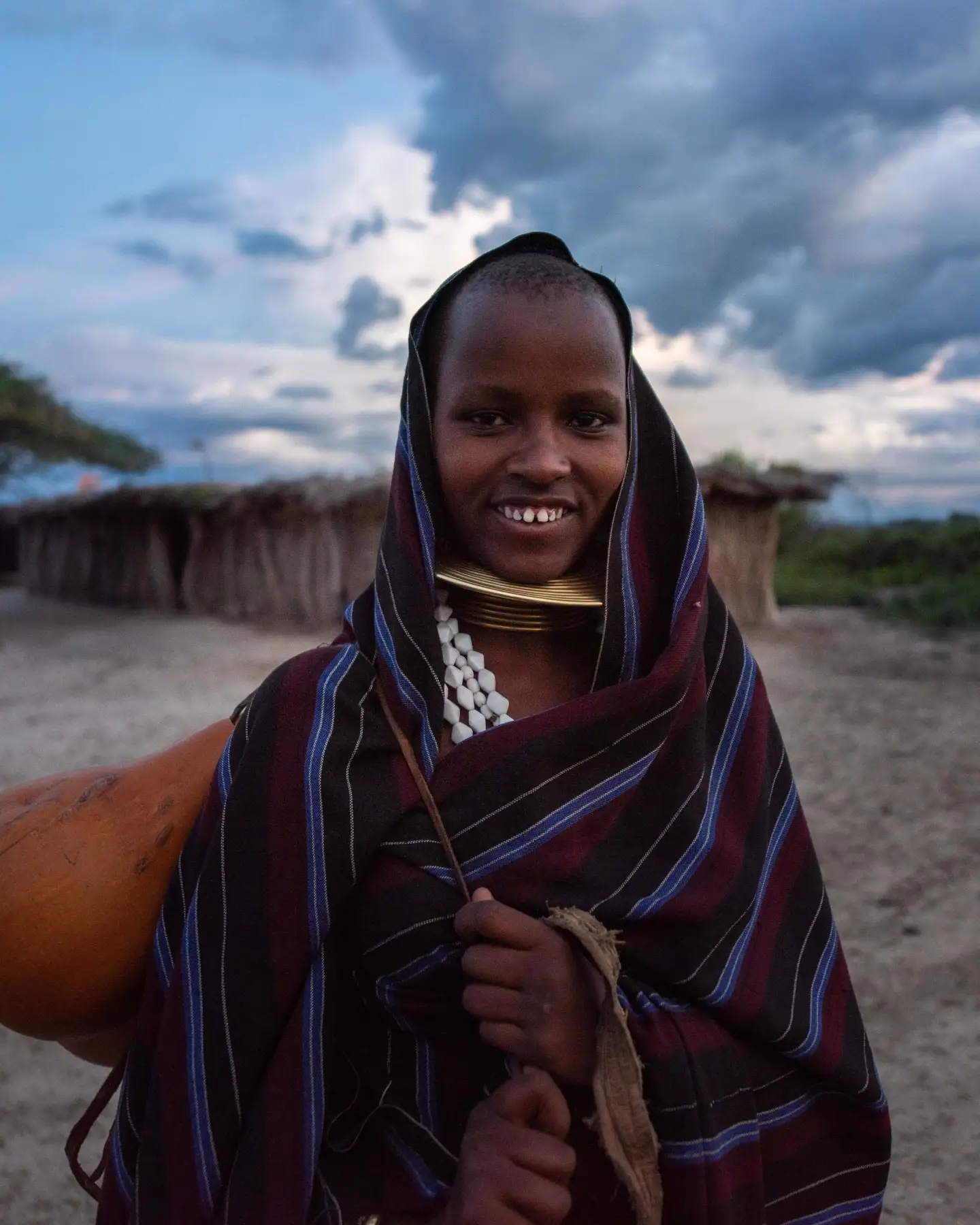
The forest region in northern Tanzania is not only home to the Hadza hunters and the Datooga herders, but also a habitat for endangered species such as elephants, giraffes, and lions. The communities have lived in harmony with nature for generations, but their habitat is threatened by deforestation. The primary causes are agricultural land use and livestock farming, which result in deforestation.
By securing the land rights of indigenous peoples and implementing community land use plans, the project protects forests, maintains biodiversity, and prevents the release of greenhouse gases into the atmosphere by reducing deforestation.
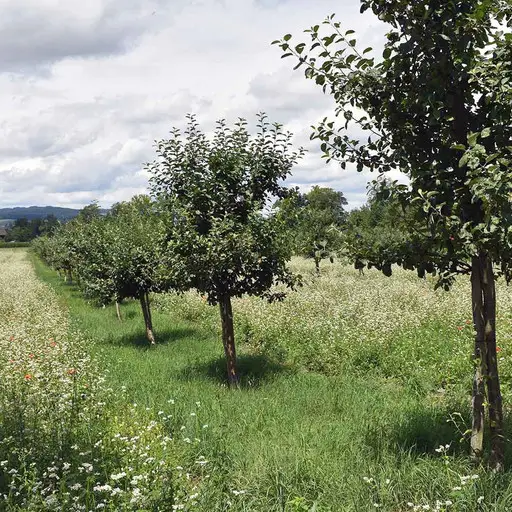
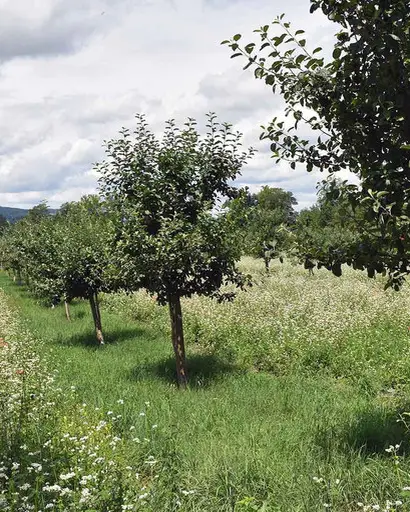
In Europe, less than 10% of agricultural land still hosts traditional agroforestry systems. This is the name given to the type of land use that combines trees, agriculture, meadows and pastures. Agroforestry benefits nature in countless ways: Fruit, wild fruit and deciduous tree species absorb CO2 from the atmosphere, groundwater is safeguarded, soil is protected against erosion and the areas become valuable habitats for a wide variety of animal species.
However, successfully establishing these agroforestry systems requires high initial investment costs and continuous maintenance costs, the cost of which farms will only recoup in the medium to long term. This is why there are only a few hundred farms in Germany, Austria, Switzerland and Liechtenstein that have established modern agroforestry systems. This project aims to change that.
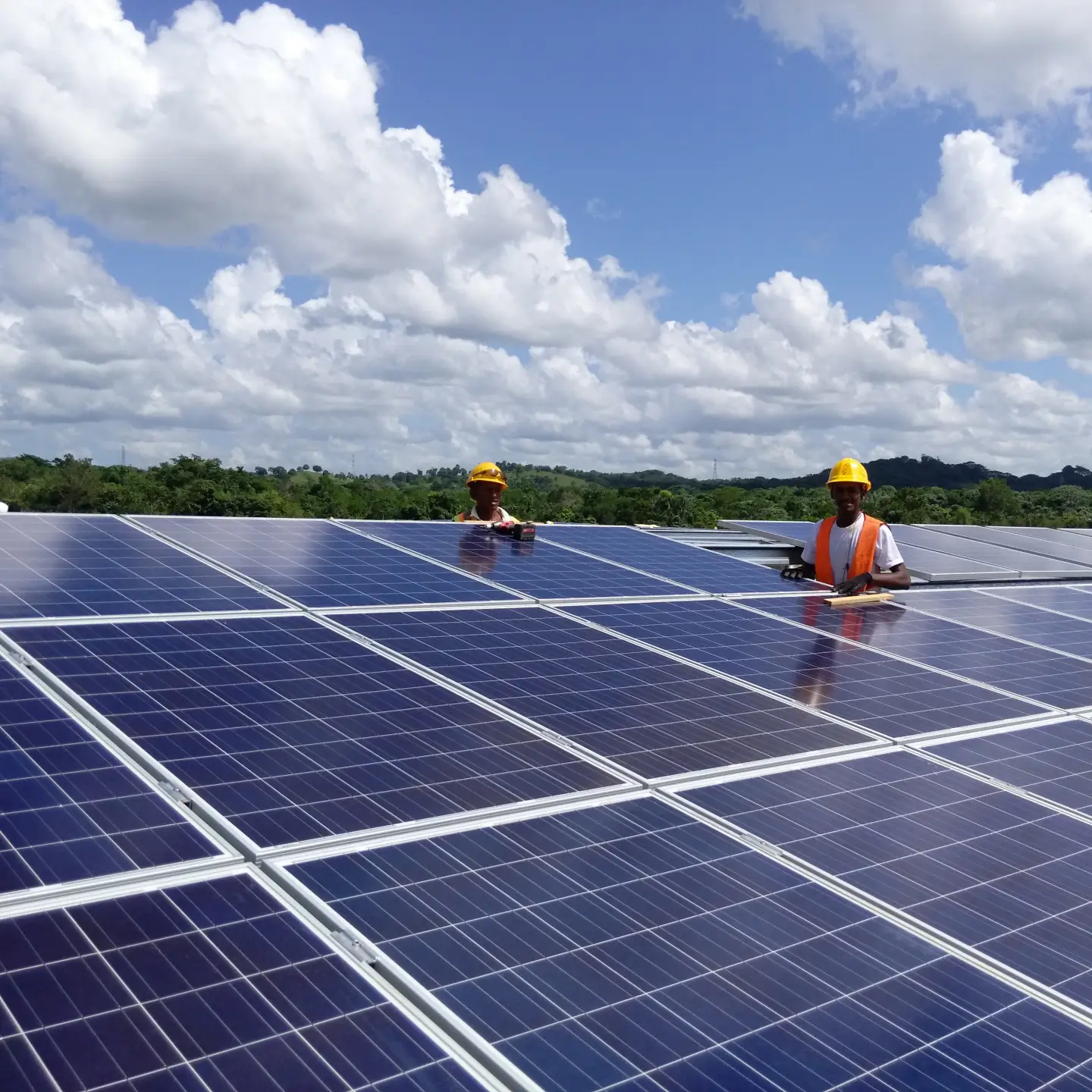
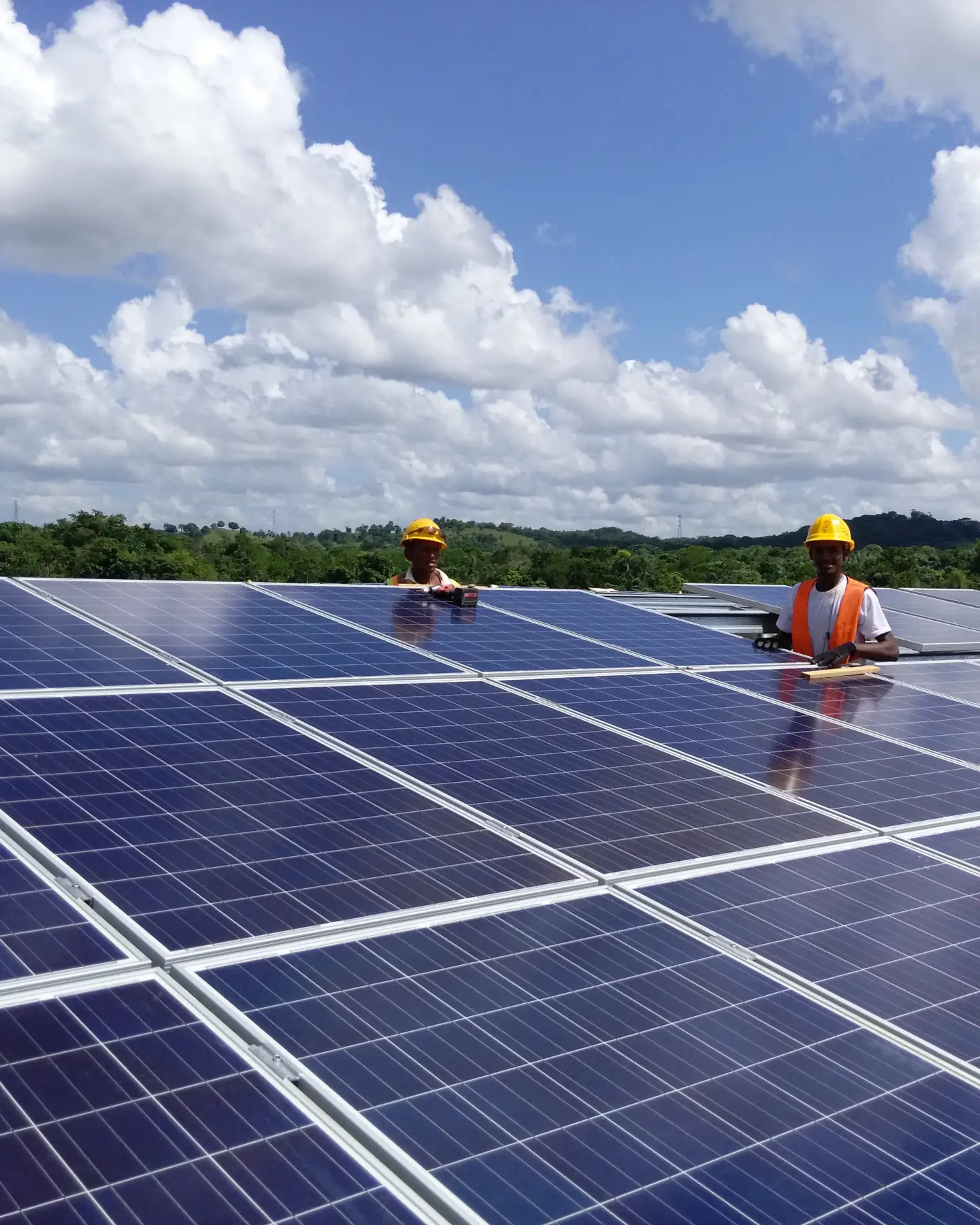
Electricity for 50,000 Dominican households: This project built a 60 megawatt solar power plant in the province of Monte Plata to supply renewable, locally produced electricity. This kind of solar power system replaces electricity generated mainly by oil with solar energy and creates local jobs. With ideal solar radiation, 100 gigawatt hours of electricity are generated annually for the local population.
Once the second phase of the project is implemented, almost 70,000 tons of CO2 will be saved every year. In addition, a visitor centre has been set up on the site of the solar power plant to demonstrate the possibilities of renewable energies and promote climate education.