Fly with Condor to Lisbon
5 Reasons Why You Should Travel to Lisbon
Instagrammable Spots in Lisbon
Fly with Condor to Lisbon
+
5 Reasons Why You Should Travel to Lisbon
+
Instagrammable Spots in Lisbon
+
Fly with Condor to Lisbon (LIS)
Lisbon is Portugal’s capital on the Atlantic coast, set along the Tagus River estuary in the western Iberian Peninsula. Built across a series of hills, the city developed as a major port and remains the country’s largest urban area. Lisbon has a Mediterranean climate with Atlantic influence, with mild, wetter winters and warm to hot, drier summers. The riverfront setting shapes daily life in neighborhoods that range from historic districts to modern redevelopment zones.
☀️ Best time to go: April–June and September–October, generally mild temperatures and lower rainfall than winter with less peak-summer heat
🏛️ Best known for: City life, Historic neighborhoods, Food culture, Riverfront setting, Music traditions
🗣️ Language: Portuguese
✈️ Airport: Lisbon Humberto Delgado Airport (LIS)
5 Reasons Why You Should Travel to Lisbon (LIS)
1. Hilltop neighborhoods lined with azulejos
Tile façades, steep lanes and old stairways shape Lisbon’s daily rhythm. Walk Alfama’s alleys or the Baixa grid, then pause at miradouros such as Santa Luzia or Graça as the Tagus and rooftops fill the view.
2. Riverfront days along the broad Tagus
The Tagus sets Lisbon’s light, weather and open horizons. Stroll Ribeira das Naus or the Praça do Comércio arcades, then head to Belém for riverside promenades and the scent of warm custard tarts near old bakeries.
3. Fado nights in taverns and small houses
After dark, fado turns quiet rooms into shared listening spaces. In Alfama and Bairro Alto, songs of saudade meet clinking glasses and late dinners. Choose respectful venues, keep voices low and let the guitar lines lead.
4. Seafood traditions with cod, sardines, tarts
Woks, grills and pastry ovens define Lisbon’s food scene. Order bacalhau à Brás, grilled sardines when in season and a bifana in a neighborhood tasca. Finish with a pastel de nata and a small ginjinha.
5. Trams, funiculars and streets built on hills
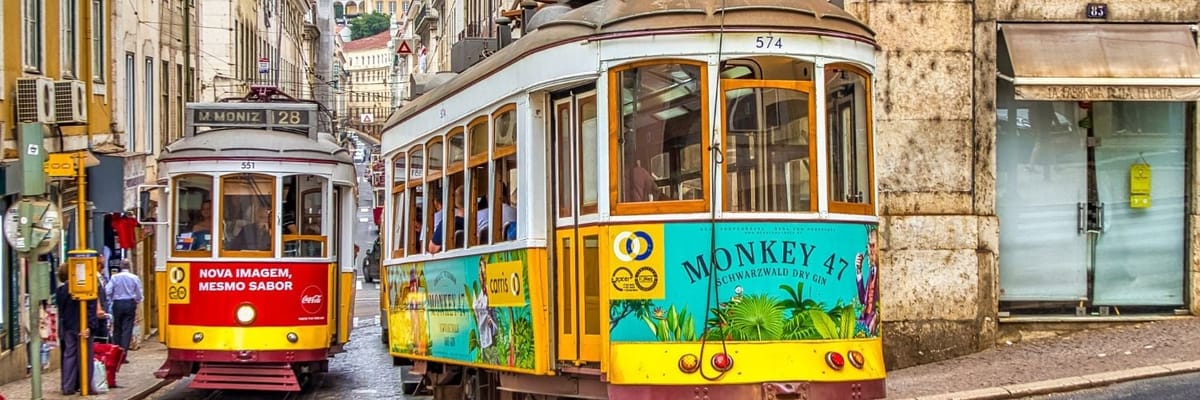
Yellow trams climb curves that cars avoid, linking neighborhoods across Lisbon’s slopes. Ride Tram 28 past azulejo walls and sudden viewpoints, or take a funicular between levels. Watch your step on polished stone and tracks.
Instagrammable Spots in Lisbon (LIS)
Rooftop lines from Miradouro da Senhora do Monte
High above Graça, the city opens into a wide sweep of red roofs, church domes and the Tagus stretching toward the horizon. The viewpoint’s layered skyline makes even simple portraits feel cinematic because Lisbon reads clearly in the background. Early light softens the pastel buildings and keeps the scene calmer before the terrace fills up. When the sky turns hazy gold, the rooftops look almost copper-toned. #ChasingViews #SkylineViews #EuroWanderlust
Azulejo frames and river views at Miradouro de Santa Luzia
A vine-covered pergola and traditional blue-and-white tiles add texture before you even lift your phone. From the terrace, Alfama’s rooftops cascade down toward the Tagus, creating a natural sense of depth. The spot works especially well when the light is gentle and the tilework stays crisp rather than blown out. If you want detail shots, the azulejo panels deliver close-up patterns with a strong Lisbon signature. #ArchitecturalDetails #VisualTextures #OldWorldCharm
Gothic ruins under open sky at Carmo Convent
Stone arches rise without a roof, so your frame naturally fills with pale masonry against blue sky or drifting clouds. The contrast between the skeletal Gothic structure and the modern city around it gives photos a quiet, dramatic mood. Shadows move across the columns and ribbed arches as the sun shifts, changing the look from one hour to the next. It’s a strong backdrop for silhouettes and minimal compositions that feel timeless. #HistoricCityVibes #MoodyFrames #TimelessEurope
Street-art layers and industrial textures at LX Factory
Old factory buildings in Alcântara create a gritty canvas of brick, steel, painted shutters and oversized murals. You’ll find bold color blocks for full-body shots and smaller graphic details tucked into alleys for close-ups. The setting feels deliberately rough-edged, which makes fashion-style photos and street portraits look editorial. Because the walls change over time, your images can feel personal even if the place is well known. #UrbanExplorers #ColorPlayVibes #EuropeanStreets
Waterside geometry at Belém Tower
The fortress-like tower sits right on the Tagus, so water and sky become part of the architecture’s frame. Pale stone details read beautifully in soft light, while the river adds shifting reflections and movement. Walk the promenade for different angles that bring in the shoreline, passing boats or the long river horizon. The scene balances heritage and clean lines, giving you both grand and minimalist shots. #HeritageAngles #SeasideSerenity #PostcardEurope
City-in-motion from the Rua Augusta Arch viewpoint
From the top of the arch, you get an elevated look down the straight grid of Baixa toward the riverfront square. The view is all symmetry and geometry: patterned streets, pale stone facades and the open rectangle of Praça do Comércio. Light changes quickly here, so even short visits can yield different moods, from bright daytime clarity to softer tones later on. Look for tiny moving details below, like trams and pedestrians, to add scale. #SymmetryHunters #CityFromAbove #PathwayPerspective
Quiet hillside calm at Jardim do Torel viewpoint
A small garden-miradouro above central Lisbon gives you an unhurried city view with trees and benches softening the frame. The scene feels more local, with layered rooftops peeking through greenery instead of a wide-open terrace. In late afternoon, warm light and long shadows add depth to the hillside buildings. It’s ideal when you want Lisbon in the background without the busy energy of the main viewpoints. #SoftLightScenes #HiddenGemsEurope #JourneyInFrames