Fly with Condor to Male
5 Reasons Why You Should Travel to Male
Instagrammable Spots in Male
Fly with Condor to Male
+
5 Reasons Why You Should Travel to Male
+
Instagrammable Spots in Male
+
Fly with Condor to Malé (MLE)
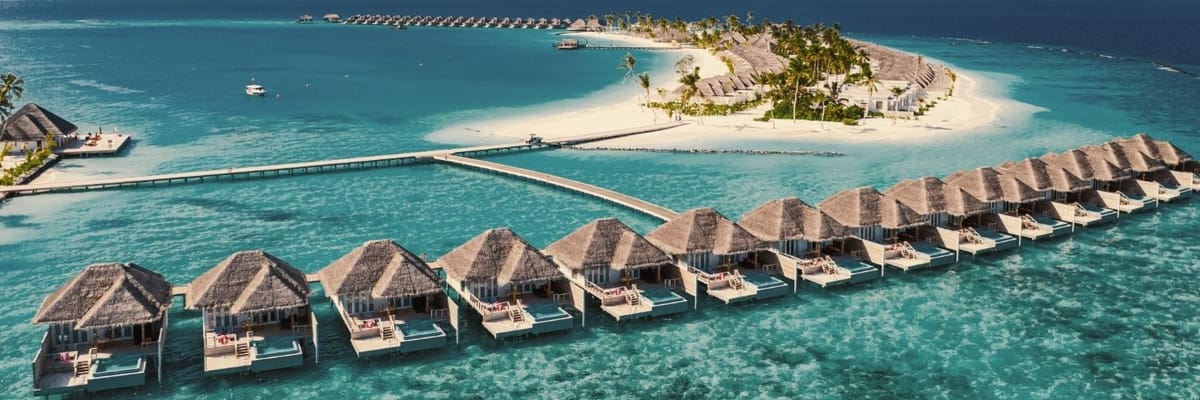
Malé is the compact capital of the Maldives, set on an island in the central Indian Ocean. It is the country’s main administrative and commercial center and sits close to the airport island of Hulhulé in the North Malé Atoll area. Malé has a tropical monsoon climate, with a drier season typically from around December to April and higher rainfall during the southwest monsoon months. Land reclamation has expanded the urban area onto nearby islands, including Hulhumalé, shaping a wider, connected city zone.
☀️ Best time to go: December–April, generally drier weather with lower rainfall during the northeast monsoon
🏛️ Best known for: Capital city, Island urbanism, Harbors, Local markets, Indian Ocean culture
🗣️ Language: Dhivehi; English widely used in services and tourism
✈️ Airport: Malé International Airport (MLE)
5 Reasons Why You Should Travel to Male (MLE)
1. An island capital packed with daily life
Fishing boats and supply dhonis shape the shoreline rhythm. Browse the Malé Fish Market, then watch streets fill for evening tea. Between mosques and shopfronts, you see how the Maldives works beyond resorts.
2. Indian Ocean flavors built around tuna and tea
Morning cafés set out mas huni with roshi, bright with coconut and lime. Later, order hedhikaa such as bajiya or gulha with strong black tea. Garudhiya, a clear tuna broth, shows the city’s seafaring pantry.
3. Reef and sandbank trips minutes from shore
A short boat ride from Malé can bring you to snorkeling reefs and bright sandbanks. Lagoon conditions can change, so go with licensed guides and respect marine rules. Even a quick half-day trip reveals vivid corals and fish.
4. Harbor walks and waterfront parks at sunset
Sea spray, engine hum and gull calls follow you along the harbor road. Pause in Sultan Park or a waterfront promenade for shade and people-watching. Sunset turns the lagoon copper while ferries glide toward nearby islands.
5. A practical springboard to nearby local islands
Public ferries and speedboats link Malé to local islands such as Maafushi and Thulusdhoo. Stay aware of schedules and sea conditions, which can shift. It’s an easy way to mix city culture with beach days and reef time.
Instagrammable Spots in Male (MLE)
Black-and-white coral stone walls at Hukuru Miskiy
Carved coral stone and tight proportions give the Old Friday Mosque complex a distinct, historic texture that reads beautifully in close-up shots. You’ll notice fine patterning in the stonework and the calm contrast between shaded walls and bright tropical sky. The surrounding cemetery’s carved markers add quiet visual depth without needing a wide scene. Photography rules vary by area, so follow current signage and staff guidance and keep a respectful distance from worshippers. #HeritageAngles #ArchitecturalDetails #MoodyFrames
Golden dome lines at the Islamic Centre exterior
A gleaming dome and crisp geometric arches create a clean skyline silhouette that feels instantly recognizable in Malé. The white facade catches changing light, shifting from bright midday contrast to softer tones as the sun lowers. From the surrounding streets, you can frame everyday city motion against the monument’s calm symmetry. Stick to exterior viewpoints and follow on-site guidance, as access and photography rules can change around prayer times. #SymmetryHunters #LinesAndShadows #ChasingLight
Market color and motion at the Malé fish market
Silver fish laid in neat rows, fast hands at work and splashes of seawater make this one of the most kinetic places to photograph in the city. The visuals are all about texture: scales, ice, crates and the gleam of wet concrete under open-air light. You’ll also catch story-rich details like boats unloading nearby and vendors calling out orders. Aim for discreet, respectful shots that focus on the scene rather than close-ups of individuals. #LocalLife #TextureHunter #HumanStories
Everyday street color at the Malé local market
Stacks of tropical fruit, spices and bright packaging turn the local market into a natural palette of reds, greens and sunlit yellows. Narrow aisles and shaded corners create alternating bands of light that make simple stalls feel graphic and modern. This is a great place for detail-focused frames of hands, baskets and repeating shapes. Early hours often feel calmer, letting the color and pattern take the lead. #ColorPlayVibes #DetailShot #StoriesInMotion
Ocean-edge sunsets at Artificial Beach
A city shoreline with open sea views gives you a rare contrast in Malé: urban edges meeting wide water. At dusk, the horizon often turns pastel while gentle waves soften the foreground, making portraits and silhouettes feel clean and uncluttered. You’ll also spot locals gathering along the promenade, adding a lived-in mood to wide shots. Keep your framing simple and let the sky gradient and waterline do the work. #WaterScapes #PastelSkies #SilhouetteShot
Palm-lined perspectives on Hulhumalé Beach, nearby excursion
Across the water from Malé, Hulhumalé’s long beach and straighter roads create a different visual rhythm: palms, pale sand and big open sky. The shoreline’s cleaner lines make it easy to capture minimalist frames with strong horizon geometry. On calmer days, shallow water adds subtle shine that lifts sunset colors. This works well as a quick regional add-on when you want a more spacious coastal look. #SeasideSerenity #EndlessHorizon #NatureInFrames
Green shade and quiet paths in Sultan Park
Dense greenery and filtered sunlight shift the city’s look from concrete to soft, natural tones. Leaves, trunks and winding paths give you layered depth without needing a big viewpoint. In the right light, you’ll catch small highlights on foliage that make the scene feel almost cinematic. It’s a calm place for portraits and slow, detail-rich frames when the streets feel busy. #NatureVibes #DreamyLight #CinematicTravel