Fly with Condor to Nosy Be (NOS)
Nosy Be is an island off Madagascar’s northwest coast in the Mozambique Channel. It forms part of the Diana Region and is administered as the City of Nosy Be. The island has a tropical monsoon climate, with a wetter season typically from about November to April and a drier period roughly from April to November. Agriculture on Nosy Be includes ylang-ylang plantations that support essential-oil production alongside tourism.
☀️ Best time to go: April–November, drier season with more stable weather conditions
🏛️ Best known for: Island landscapes, Beaches, Marine life, Ylang-ylang production, Island-hopping
🗣️ Language: Malagasy and French are the principal languages encountered locally.
✈️ Airport: Fascene Airport (NOS)
5 Reasons Why You Should Travel to Nosy Be (NOS)
1. Saltwater color gradients and beach coves
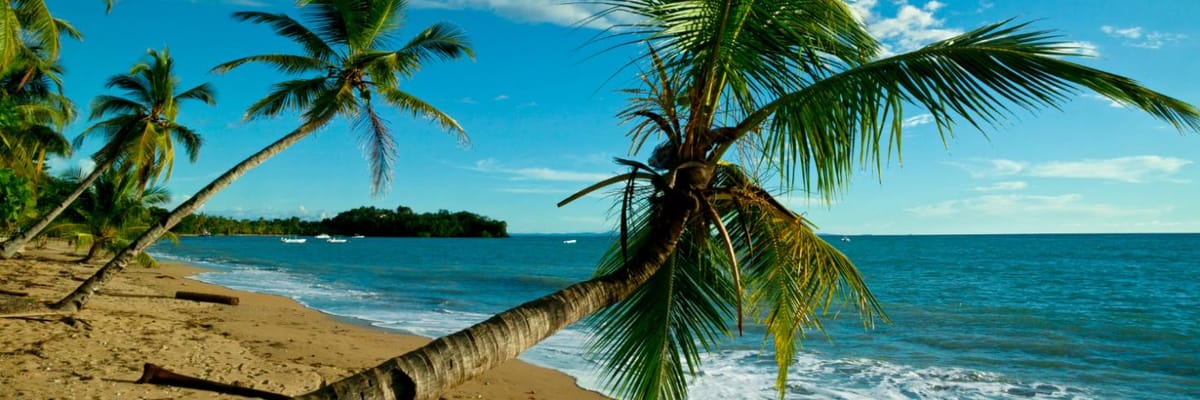
Turquoise water and pale sand set the scene all around Nosy Be. Between sheltered coves and long stretches of shore, you can swim when conditions are calm. Offshore light shifts from jade to deep blue as reefs begin.
2. Reef days in protected island marine parks
Mask and fins reveal coral gardens close to the surface at Nosy Tanikely, a protected marine area near Nosy Be. Snorkeling and beginner dives are popular here. Follow local guidance and sea conditions at all times.
3. Rainforest trails with lemurs and chameleons
In Lokobe National Park, humid forest air carries the buzz of insects and bird calls. Guided walks offer chances to spot black lemurs and the Nosy Be panther chameleon. Stay on marked paths and respect wildlife space.
4. Island-hopping to nearby villages and bays
Short boat rides link Nosy Be with nearby islands such as Nosy Komba and Nosy Tanikely. You can pair a beach stop with village craft stalls and coastal viewpoints. Choose licensed operators and confirm routes with your crew.
5. Seafood plates and Malagasy coastal flavors
Evenings often center on rice with laoka and the smell of grilled fish from waterfront kitchens. Look for coastal Malagasy cooking that uses coconut, ginger and local spices. Romazava-style stews show how island meals stay hearty.
Instagrammable Spots in Nosy Be (NOS)
Sunset panoramas from Mount Passot
A changing-light show unfolds from Mount Passot, the island’s high point, where the horizon opens over Nosy Be’s crater lakes and the Mozambique Channel. As the sun drops, warm gold shifts into dusky blues and the landscape turns into clean silhouettes. You’ll get a wide sense of place in one frame, with layered ridgelines and scattered water surfaces catching the last glow. Arrive with enough time to look around for a clear public viewpoint that matches the sky that day. #SunsetHunting #ChasingViews #GoldenAfricaGlow
Turquoise layers at Andilana Beach
Soft sand and bright, shallow water create a clean, high-contrast palette at Andilana, especially when the sea shifts from pale mint to deep turquoise. The gently curving shoreline makes your photos feel calm and spacious without needing a crowded backdrop. Late afternoon light smooths out harsh shadows and gives the water a glassy sheen. Look for natural lines where footprints, foam and palm shade add subtle texture to wide beach frames. #TurquoiseWaters #BeachTextures #AfricaAesthetic
Reef-to-sky blues at Nosy Tanikely Marine Park
Clear, shallow water and vivid coral tones make Nosy Tanikely a natural color study, from aquamarine shallows to deep-blue drop-offs. From the beach, you can capture palms, bright sand and boats anchored over reef patches in a single tropical frame. The light is often at its cleanest earlier in the day, when the sea reads as pure color rather than glare. Keep your shoot low-impact in this protected area and follow on-site guidance. #BlueLagoonMood #NatureInFrames #ExploreToCreate
Spice-and-color scenes at Hell-Ville market
LocalLife takes center stage in Hell-Ville’s market, where piled produce, spice sacks and everyday movement create rich visual layers. You’ll find bold reds, greens and earthy browns that look especially strong in softer morning light. The market’s signs, baskets and textures also suit close-up storytelling shots between wider street scenes. Photograph respectfully and keep a comfortable distance from vendors as you frame daily routines. #ColorPlayVibes #LocalLife #DetailShot
Primary-forest greens in Lokobe National Park
Dense rainforest in Lokobe creates a deep-green backdrop with glossy leaves, tangled roots and filtered light that changes from step to step. The forest feels cinematic in photos, especially when sunbeams break through the canopy and highlight textures on tree trunks and lianas. You can build a visual story around small details, from mossy bark to shifting shadow patterns along the trail. Conditions can be humid and the ground may be slick after rain, so move carefully on uneven sections. #MoodyFrames #NatureTextures #IntoTheWild
Orchid island calm on nearby Nosy Sakatia
TropicalVibes come through on nearby Nosy Sakatia, where quieter coves and dense greenery keep your frames feeling intimate and low-key. In the right light, the shoreline alternates between bright sand, dark rock and translucent shallows, giving photos natural contrast. It’s an easy place to capture slower island moments, from simple boats on still water to palm shadows stretched across the beach. Treat it as a gentle regional excursion from Nosy Be and keep the focus on the island’s natural textures. #TropicalFrames #SeasideSerenity #WanderWithMe
The sandbar ribbon of nearby Nosy Iranja
A narrow strip of bright sand links the two parts of nearby Nosy Iranja, creating a striking natural line against clear, shallow water. The scene reads especially well from slightly higher ground, where the sandbar becomes a clean curve dividing blues and greens. When the sea is calm, the lagoon-like water adds a smooth, minimalist look that suits both wide landscapes and simple portraits. This is a popular day excursion, so a quieter feel often comes earlier in the day. #IslandAesthetic #EndlessHorizon #DreamyLight