Fly with Condor to Maun
5 Reasons Why You Should Travel to Maun
Instagrammable Spots in Maun
Fly with Condor to Maun
+
5 Reasons Why You Should Travel to Maun
+
Instagrammable Spots in Maun
+
Fly with Condor to Maun (MUB)
Maun is a town in northwestern Botswana, set on the Thamalakane River near the southern end of the Okavango Delta. It serves as the administrative center of Ngamiland District and has developed around regional services and safari-oriented travel. The local climate is semi-arid, with a hotter, wetter season typically from around November to March and a cooler, drier season from about May to August. The town’s setting at the edge of the Okavango basin links riverine areas with the drier Kalahari environment further south and east.
☀️ Best time to go: May–October, generally drier conditions and cooler temperatures in the region
🏛️ Best known for: Okavango Delta access, Safari travel, Riverine landscapes, Small-town services
🗣️ Language: English, Setswana
✈️ Airport: Maun Airport (MUB)
5 Reasons Why You Should Travel to Maun (MUB)
1. Okavango Delta wetlands at your doorstep
Propellers hum at Maun Airport as small planes lift for Delta airstrips. From a scenic flight or a guided mokoro outing, you’ll see reed beds, floodplains and islands up close. Follow guide advice near wildlife.
2. Frontier riverside life along the Thamalakane
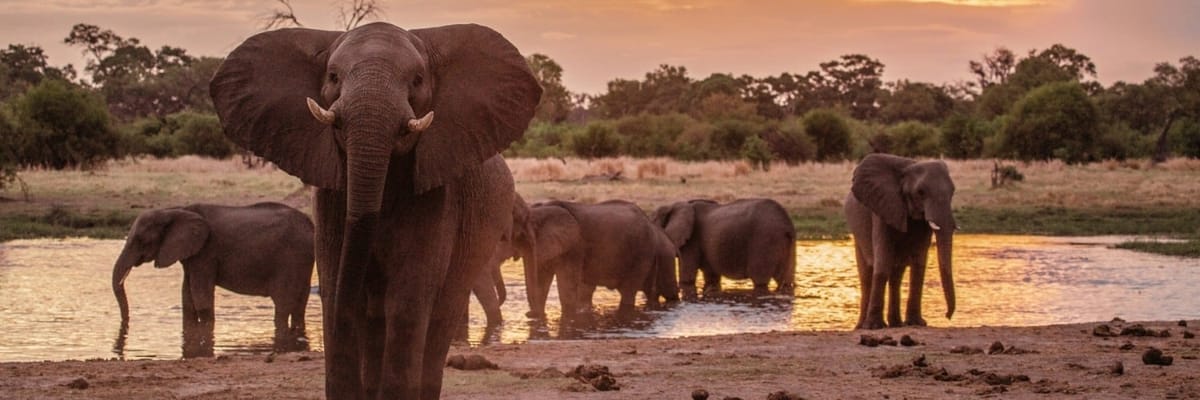
Late light settles on the Thamalakane River as Maun stretches along its banks. Riverside lodges and decks look out over water and birdlife at the Delta’s edge. Stay behind barriers and watch currents after rain.
3. Safari day trips into Moremi’s wild spaces
Dusty tracks lead from town toward Moremi Game Reserve for classic safari days. Operators run full-day 4x4 trips that combine floodplain scenery with wildlife viewing. Conditions change fast, so go with a guide.
4. Handmade crafts rooted in Okavango traditions
In Maun’s craft markets, woven baskets and carved wood echo Delta plants and wildlife. You can browse locally made pieces and meet makers who explain patterns, dyes and techniques. Pack purchases carefully for travel.
5. Botswana flavors beyond lodge dining rooms
Slow-cooked seswaa and hearty pap show up in Maun alongside simple grill plates. Look for morogo greens when they’re in season and try local-style stews. Ask what’s in each dish if you have dietary needs.
Instagrammable Spots in Maun (MUB)
Aerial patterns above the Okavango Delta
Braided waterways and bright islands form graphic shapes that look almost abstract from above. Depending on the season, you’ll see everything from glassy channels to pale sandbars and green floodplains, all changing frame by frame. The approach in and out of Maun often reveals the clearest contrasts between town, river and delta edge, which makes the first minutes especially photogenic. If you’re shooting through windows, keep the camera close to the glass to reduce reflections. #DronePerspective #ChasingViews #AfricaAesthetic
Riverbank silhouettes on the Thamalakane River
Low light turns the Thamalakane into a ribbon of copper and charcoal, with papyrus edges and acacia silhouettes defining the horizon. You can frame still water, drifting reeds and distant birds in a calm, minimal composition that feels very ‘Okavango gateway’. Some days the river level is noticeably lower, which adds exposed textures and sand tones to your foreground. Stay on public riverbank areas and keep a respectful distance from wildlife. #SilhouetteShot #MoodySkies #GoldenAfricaGlow
Basket monument and heritage textures at Nhabe Museum
At the Nhabe Museum precinct, woven patterns and local craft motifs translate beautifully into close-up detail shots. The basket monument creates bold curves and repeating lines that work for both wide frames and tight texture studies. You’ll also find earthy wall colors and shaded corners that soften portraits and street-style travel photos. Photography rules can vary by area, so follow current signage and staff guidance. #DetailShot #HeritageAngles #ColorsOfAfrica
Wildlife close-ups at Maun Wildlife Educational Park
Natural enclosures and riverside vegetation give you a greener, more layered backdrop than you might expect in town. Look for moments where animals move through dappled shade, creating sharp highlights against dark leaves. Boardwalk-style paths and viewing points make it easier to keep backgrounds clean and uncluttered. Aim for quiet, patient frames and avoid obstructing other visitors at the viewing rails. #WildlifeWhispers #NatureInFrames #SoulOfAfrica
Soft-toned craft finds at Maun Craft Centre
Handmade baskets, textiles and carved pieces bring in warm neutrals and intricate patterns that photograph well without heavy editing. The best frames come from small scenes: stacked weaves, dye variations and hands-at-work moments if artisans are present. You can build a full visual story here, from macro details to wider shots of stalls and shaded walkways. Keep it respectful and ask before photographing people up close. #TextureHunter #LocalLife #ExploreToCreate
Palm-and-water reflections at Crocodile Camp riverfront
Palm fronds, shaded lawns and the Thamalakane’s slow edge create a classic ‘oasis’ look that contrasts with Maun’s dusty streets. Reflections in calm water and swimming-pool surfaces give you clean symmetry, especially in softer morning light. This spot is strong for relaxed travel portraits, with greenery filling the frame and reducing harsh shadows. Stick to guest-access areas and avoid photographing other guests without permission. #ReflectionsEverywhere #TropicalFrames #AestheticEscape
Runway edge drama at Maun International Airport
Small aircraft movements, heat haze and wide skies give Maun’s airport a distinctly cinematic feel. You can capture the contrast between bright fuselages and the muted delta landscape, especially when clouds build into textured backdrops. Even parked planes often create strong geometry with wings and shadows across the tarmac. Photograph only from permitted public areas and follow all airport rules. #CinematicTravel #LinesAndShadows #AfricanSunscapes