Best Christmas markets in Europe
Embrace the christmas spirit
Embrace the christmas spirit
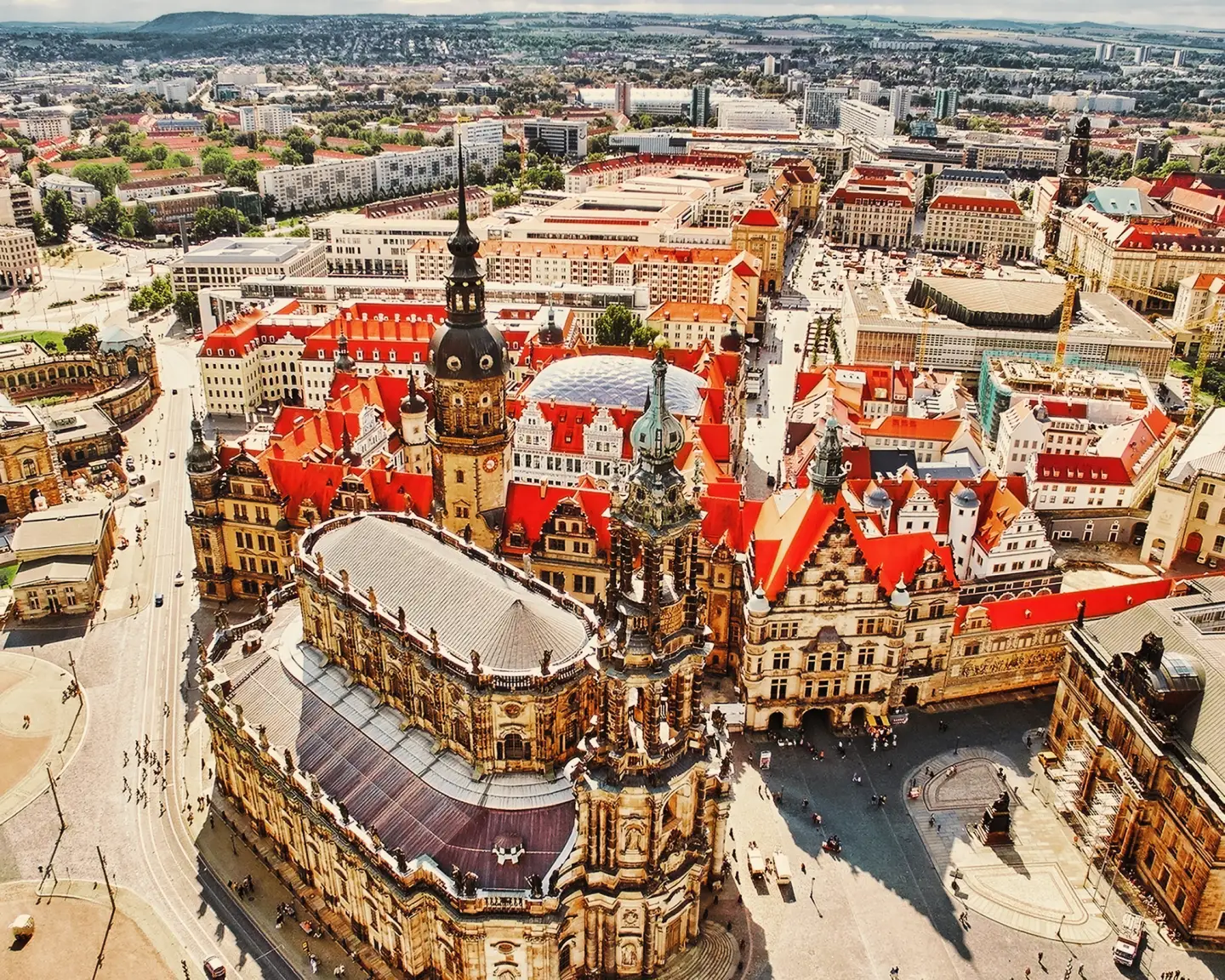
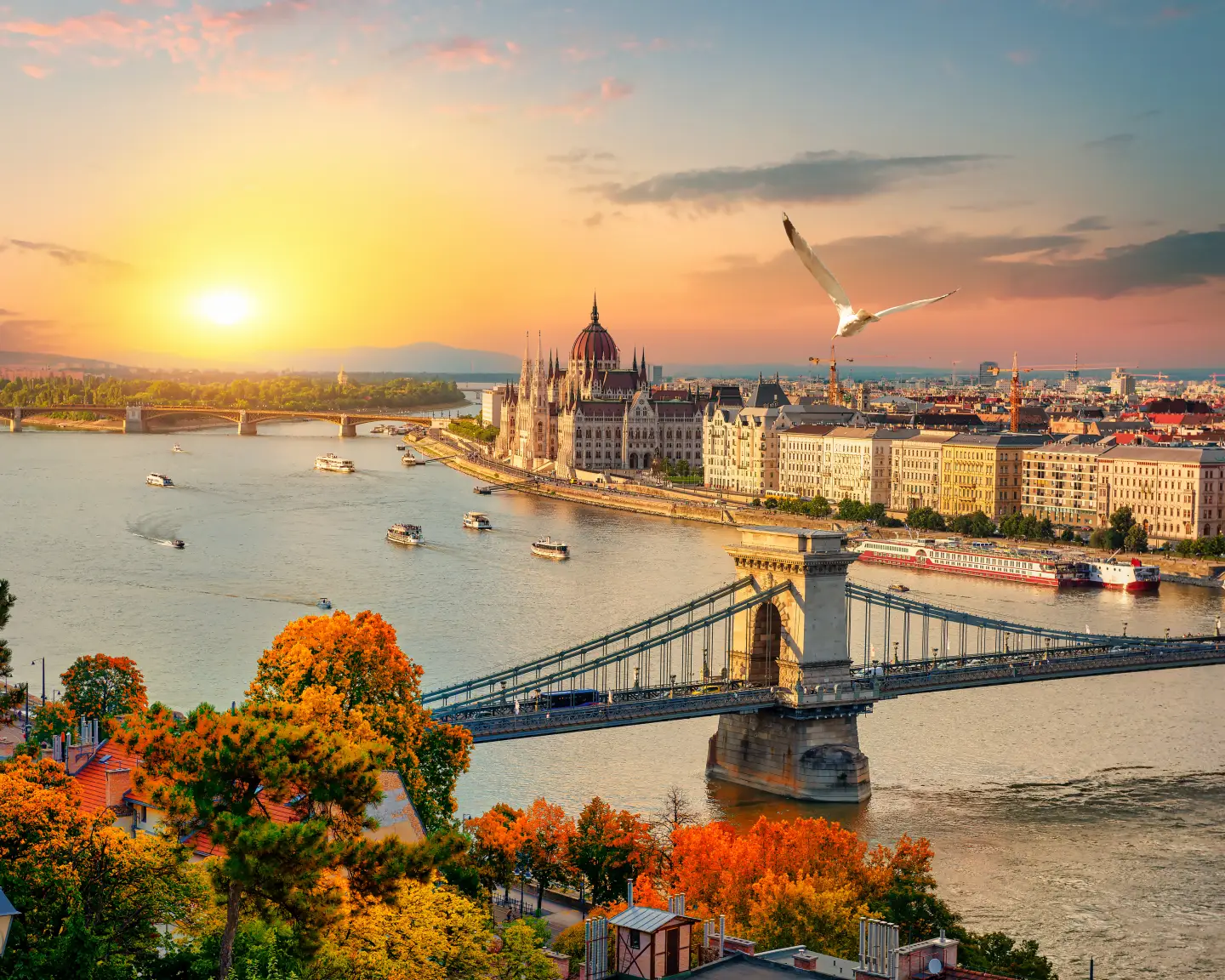
Christmas time is approaching, and nothing starts the holiday season better than a visit to any of the best European Christmas markets. We're confident you'll discover the perfect destination that speaks to your festive spirit. Here are some of our favourites to step into a winter wonderland this christmas season. What’s yours? Just book a flight with our best deals and embark on a journey through the best Christmas markets in Europe.
Most European Christmas markets open between mid-November and early December, with the majority launching around the last week of November to coincide with the first Sunday of Advent. Several christmas markets in Eastern and central Europe stay open well past December 25, and some continue through New Year's Eve or into early January.
For a first Christmas market trip from the United States, these destinations consistently rank among the best christmas markets in Europe:
The most efficient strategy is to fly into a major European hub with strong rail links that make it easy to reach the markets in the city center once you arrive. Frankfurt is an excellent gateway to German Christmas markets across the Rhine region and beyond through Europe.
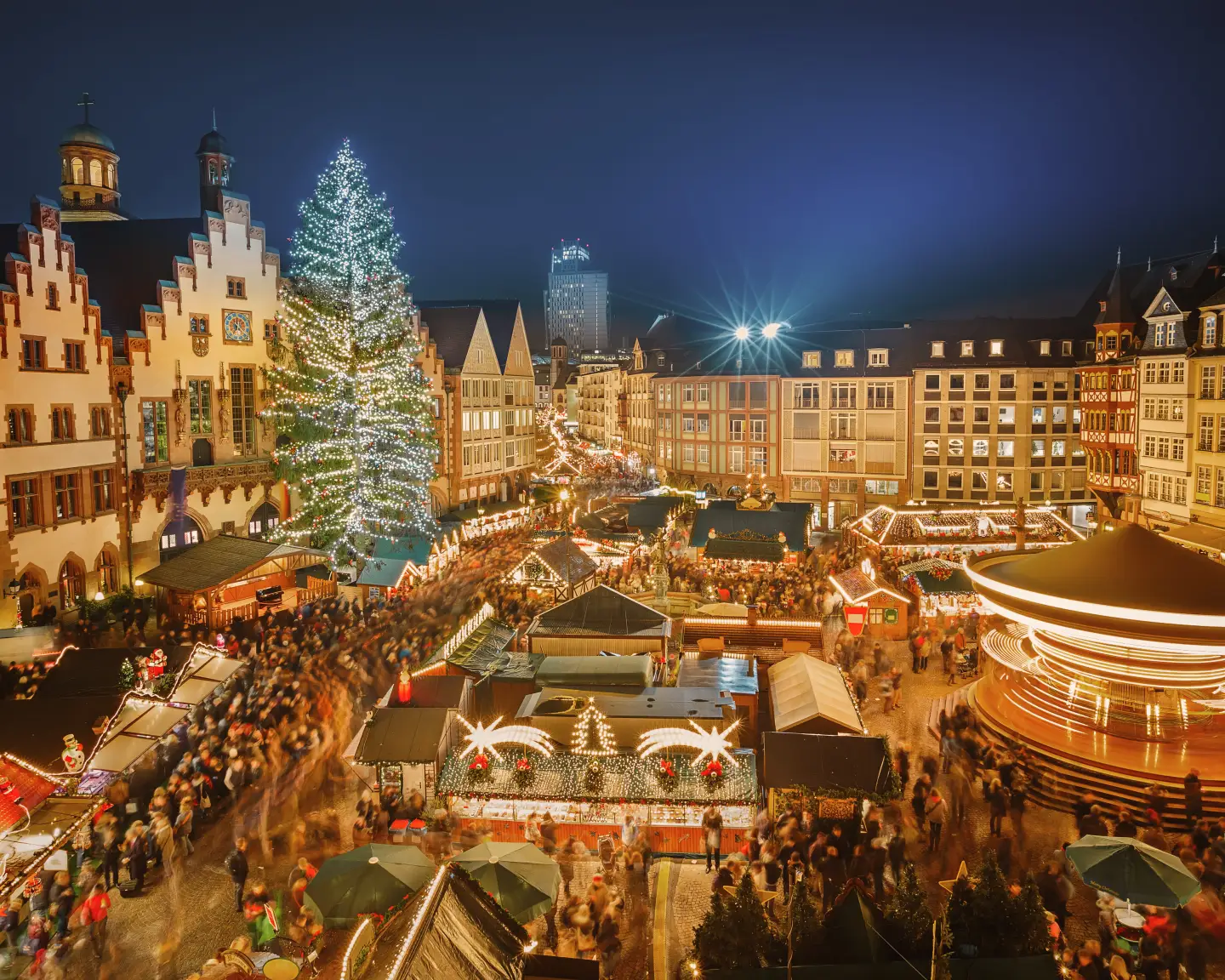
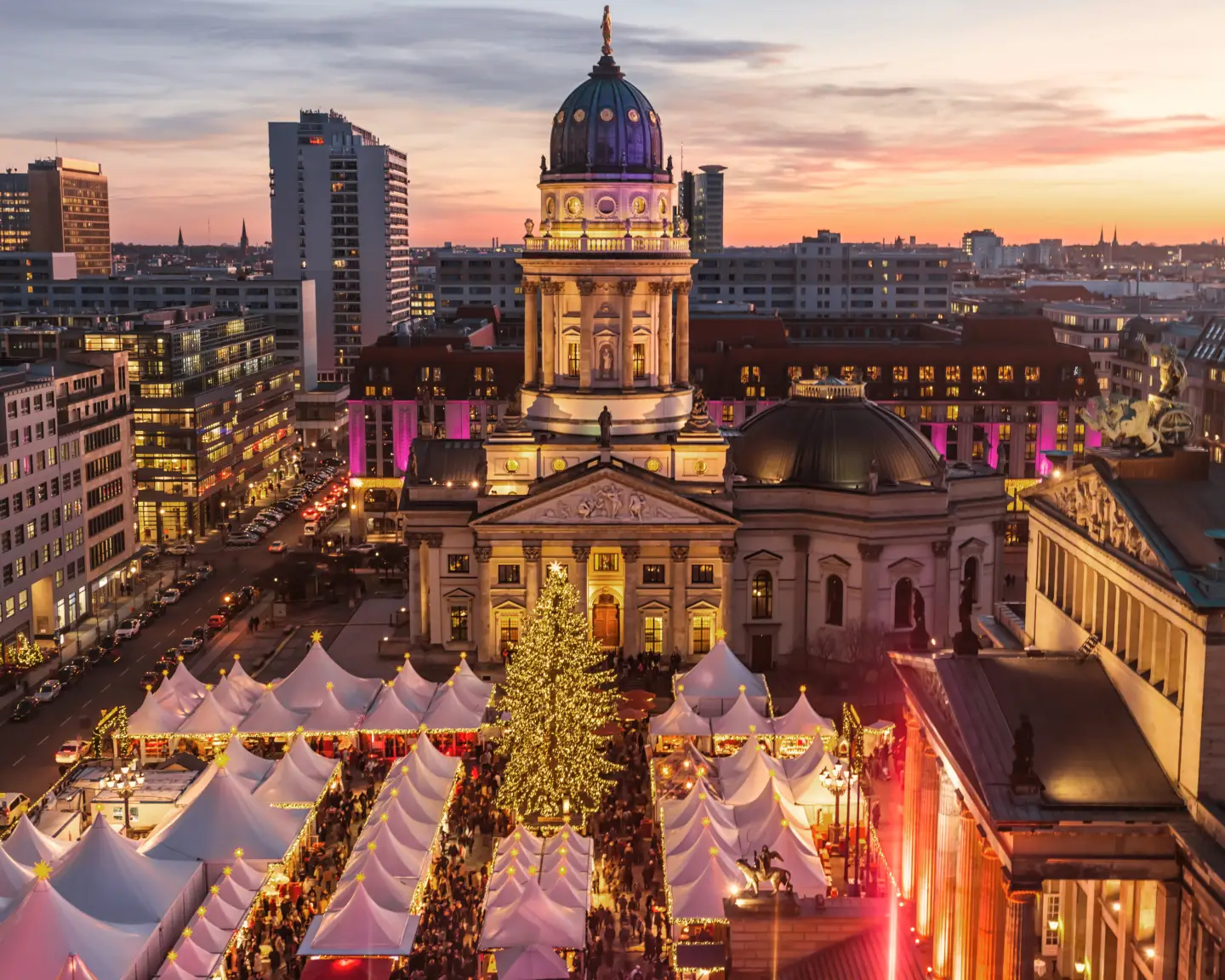
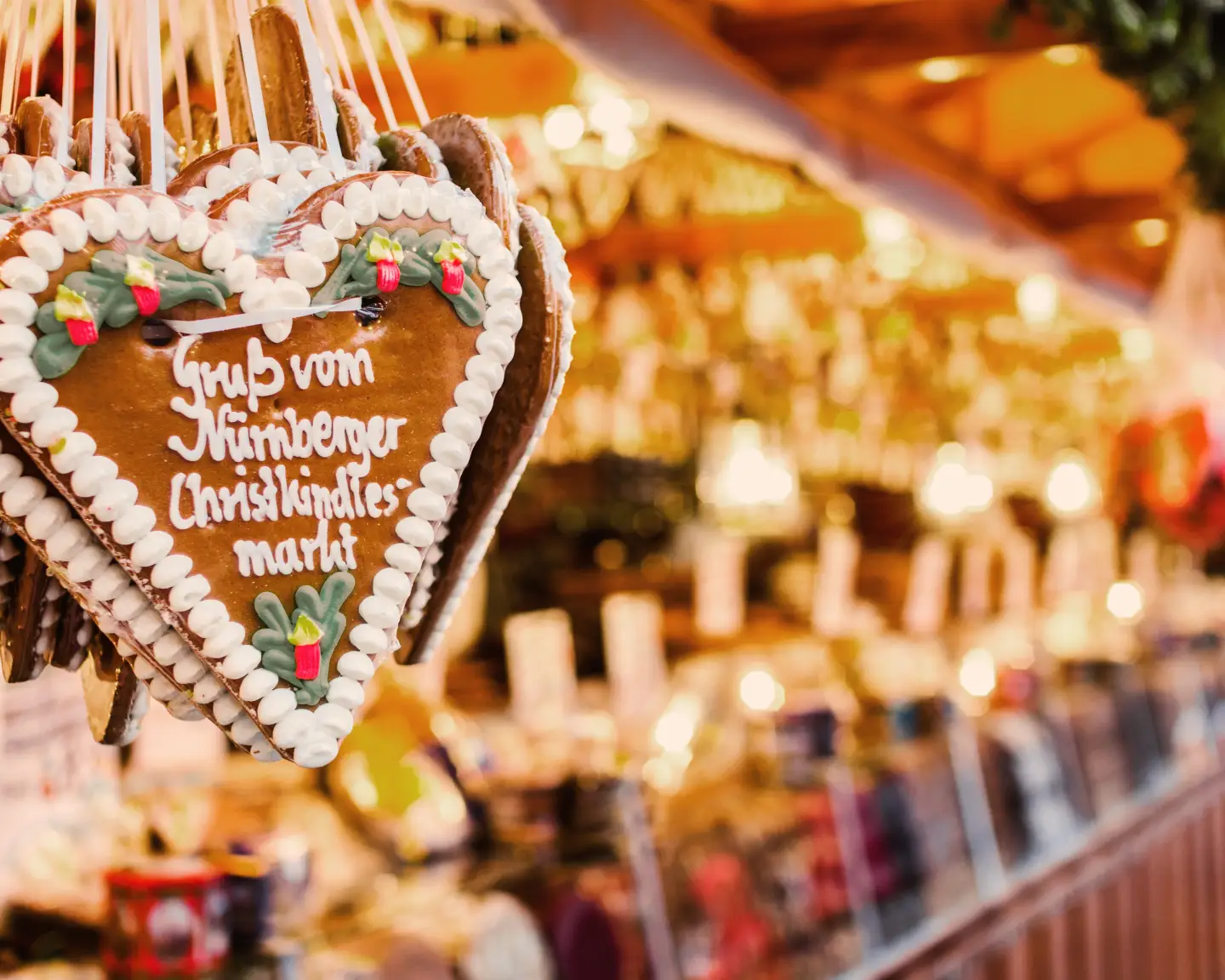
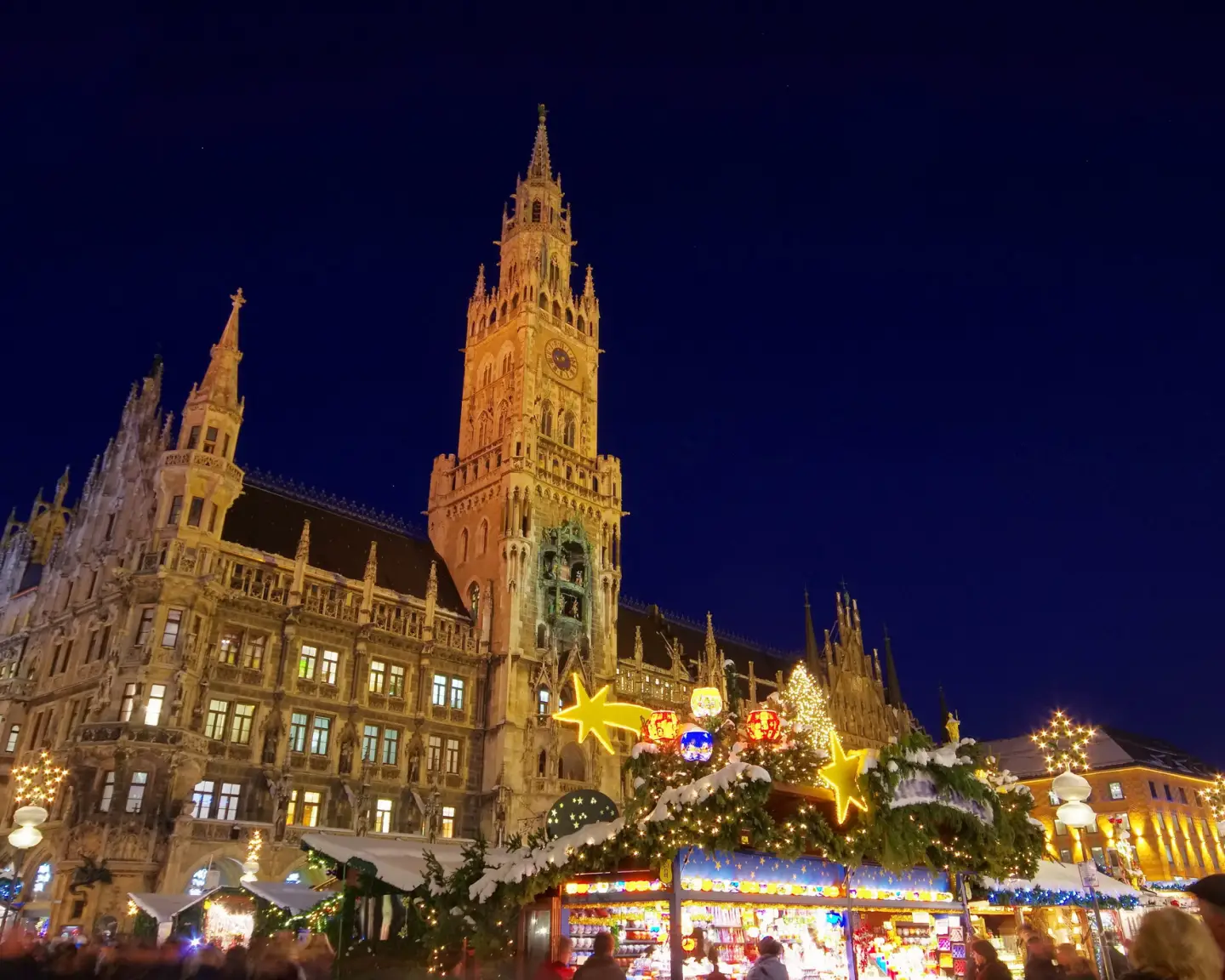
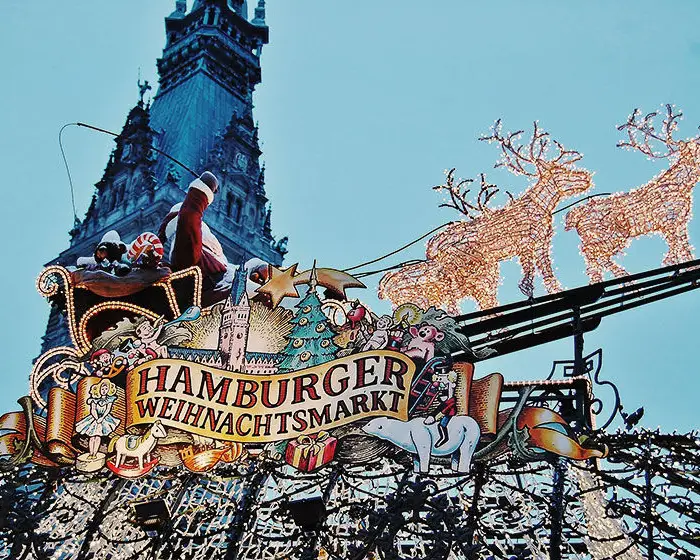
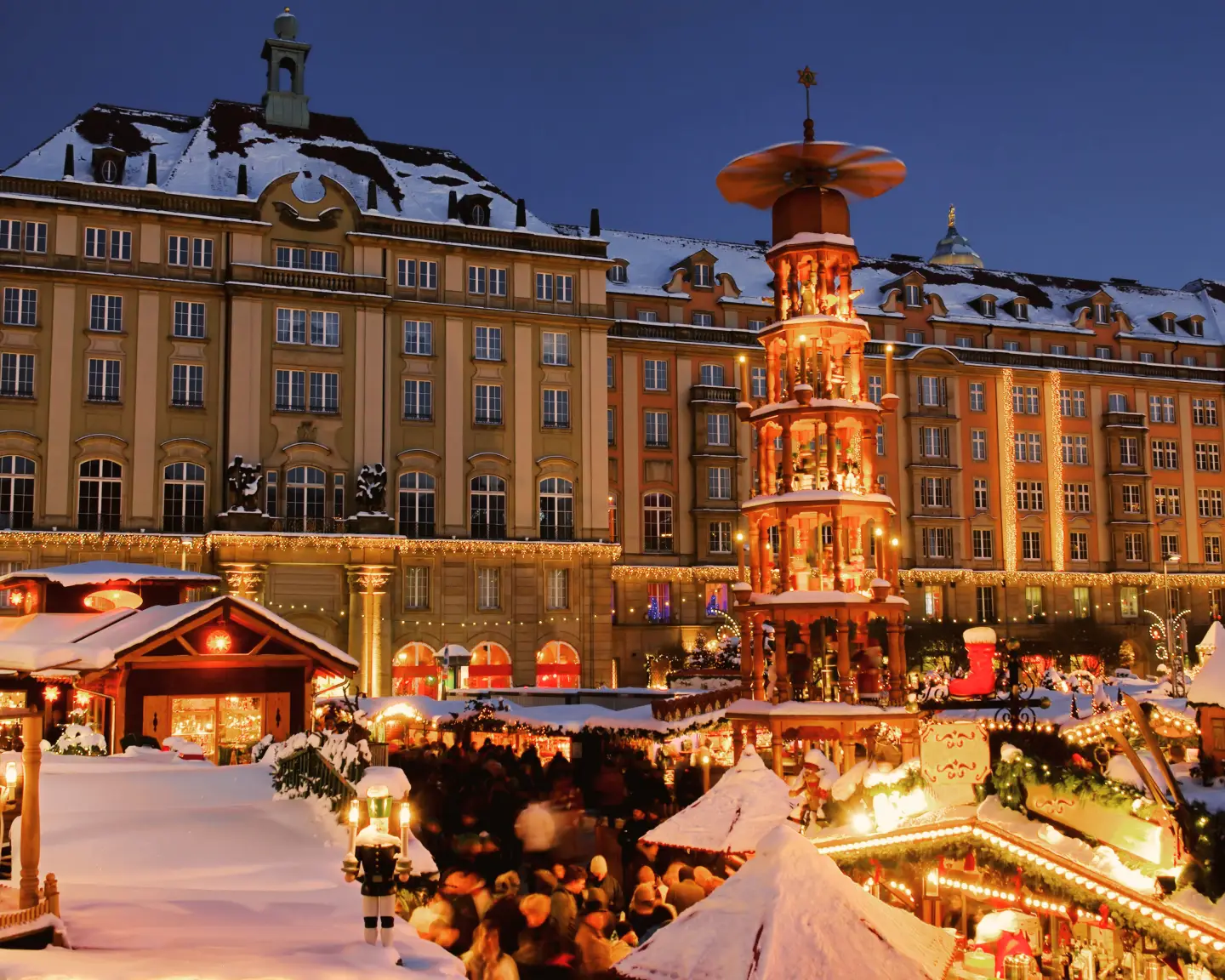
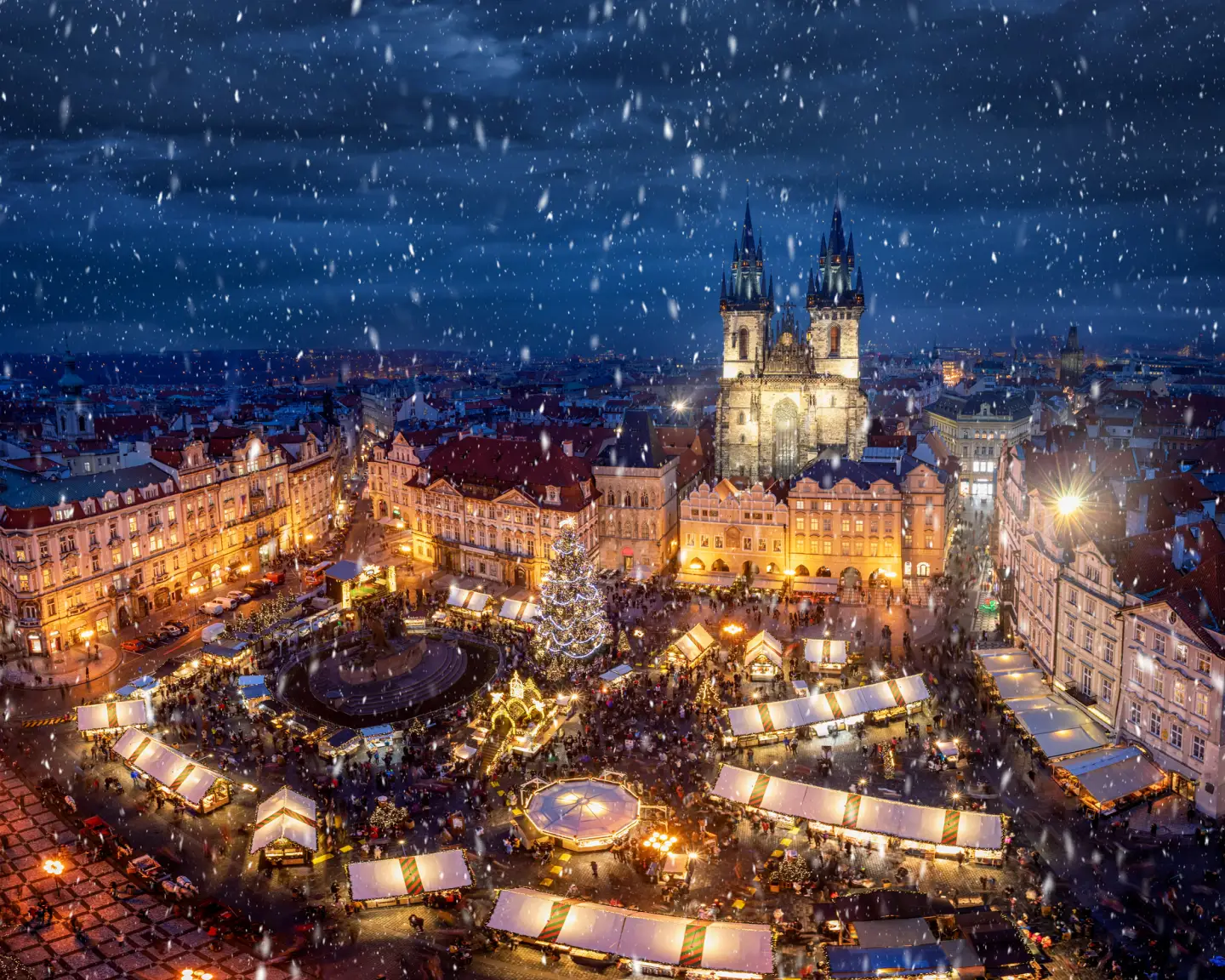
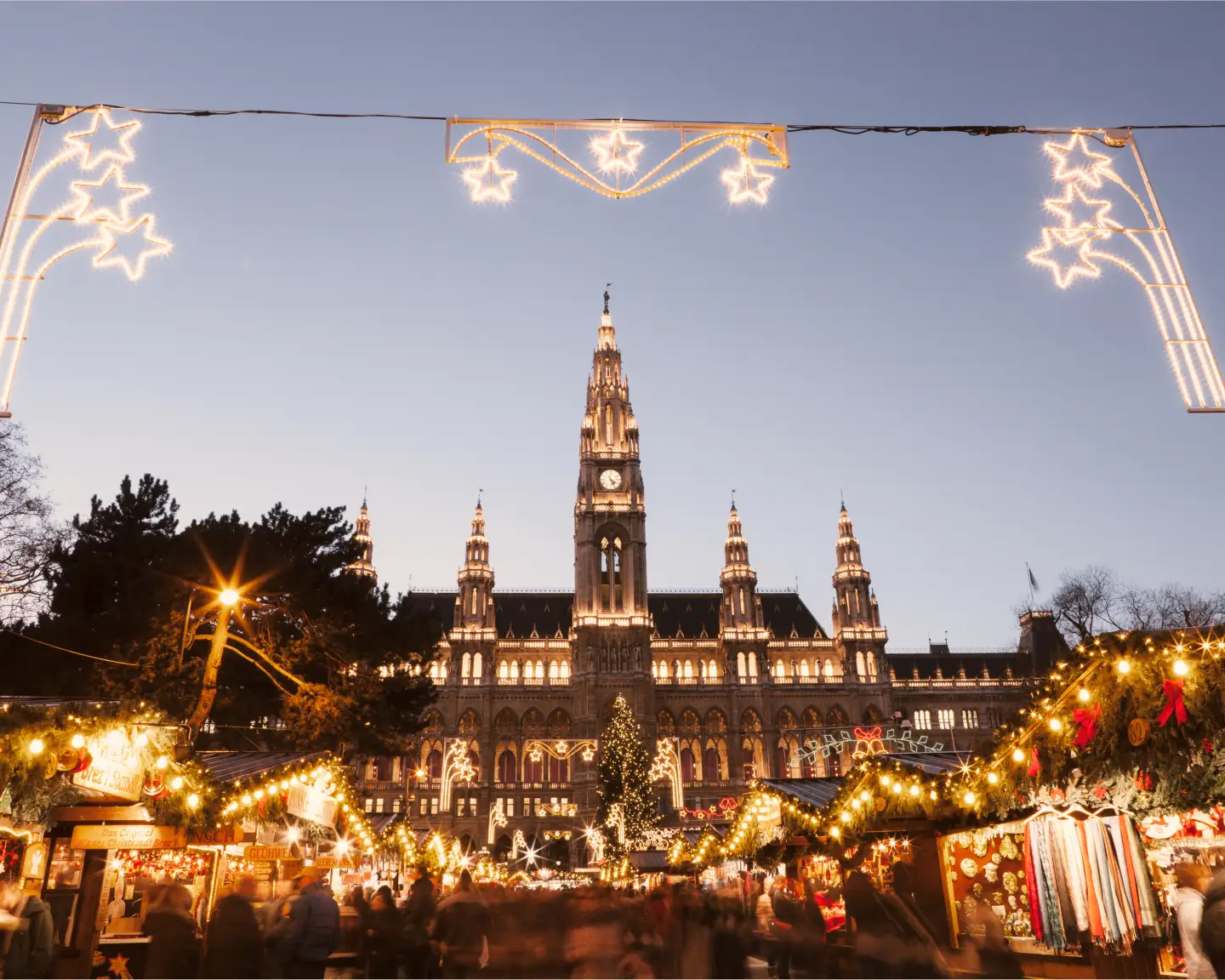
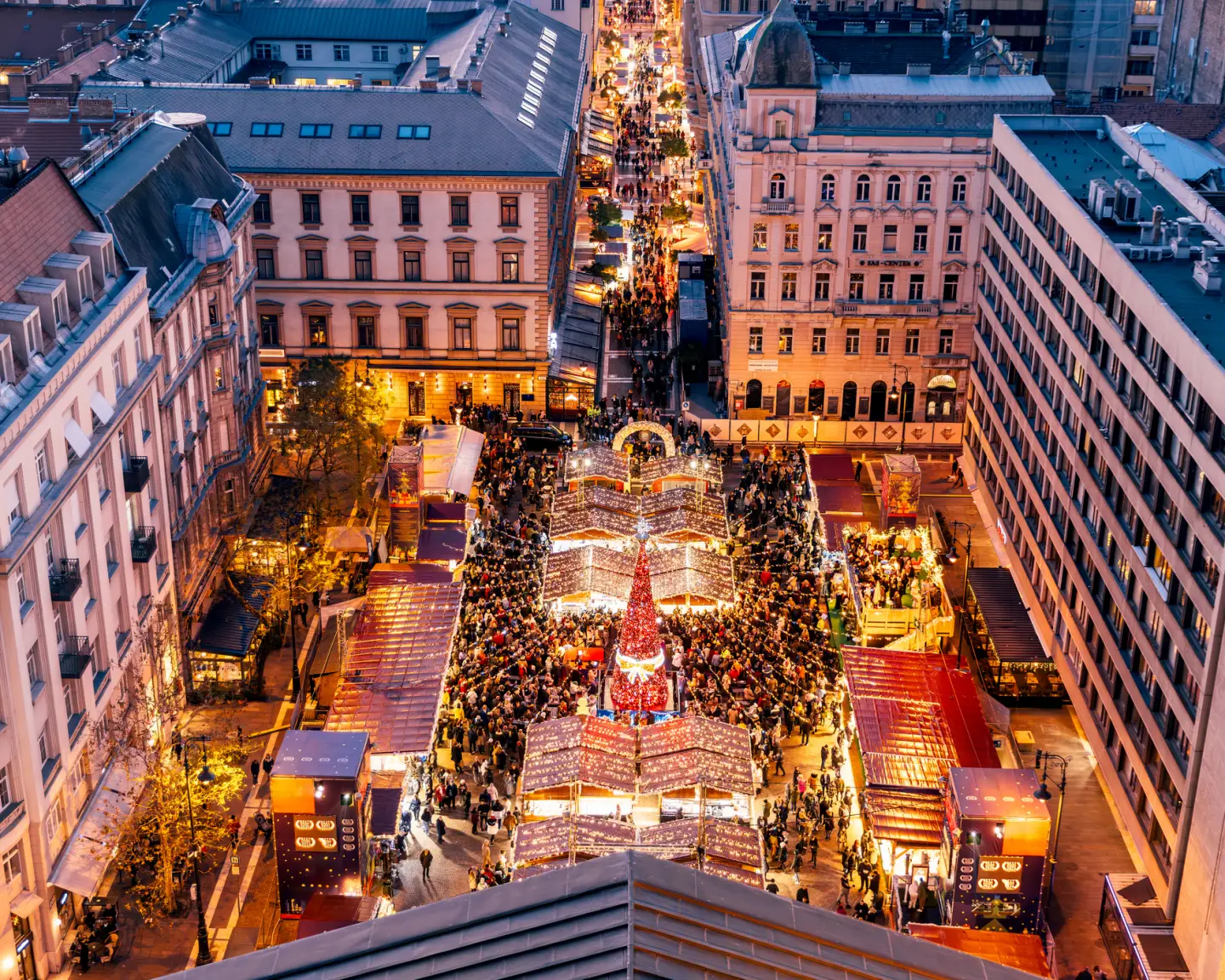
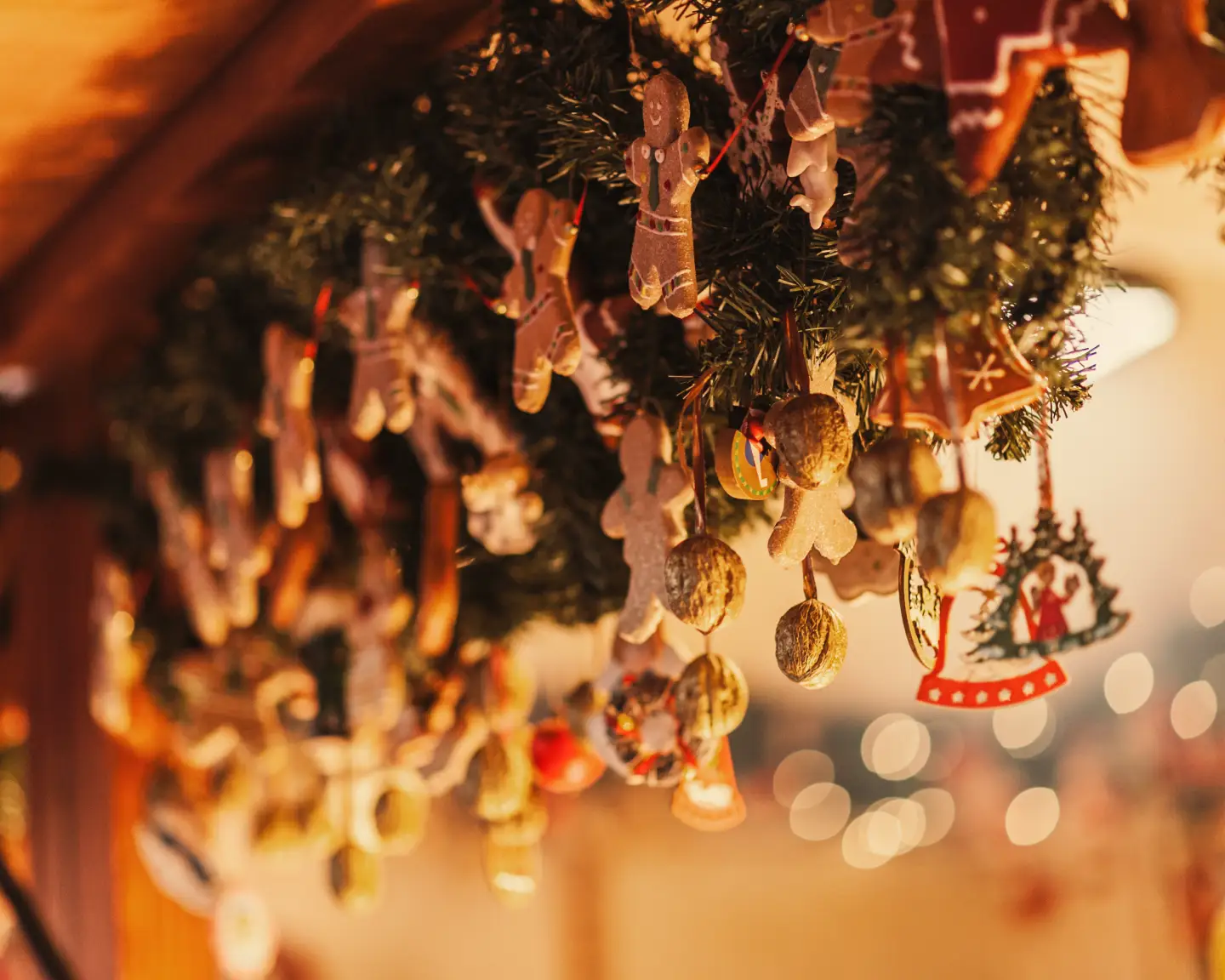
European Christmas markets center around clusters of wooden chalets arranged in a town square or along historic streets. Market stalls sell handmade crafts, handmade ornaments, and traditional gifts alongside food vendors offering regional specialties like bratwurst, roasted chestnuts, and Lebkuchen. The atmosphere at Christmas markets often includes choir performances and light displays, with Christmas music filling the air and a sense of christmas cheer beneath twinkling lights draped across historic buildings. Hot mulled wine (Glühwein) is served in decorative ceramic mugs that many visitors keep as souvenirs.
Europe's Christmas markets offer festive magic and local treats that vary by region, though certain staples appear almost everywhere:
Budget roughly €30–50 per person per day for food, drinks, and small souvenirs at mid-tier markets in Germany, the Czech Republic, or Hungary. Here's a general breakdown:
Bring cash, as many vendors don't accept credit cards, especially at smaller markets scattered through old town areas. Western European cities like Vienna and Zurich run pricier than Central European destinations like Prague or Kraków.
Most traditional European Christmas markets are primarily outdoors, so warm layers, comfortable footwear and weatherproof clothing are recommended.
The winter wonderland atmosphere is at its best after dark, when Christmas lights and holiday lights illuminate the market square - but that's also when temperatures drop sharpest.
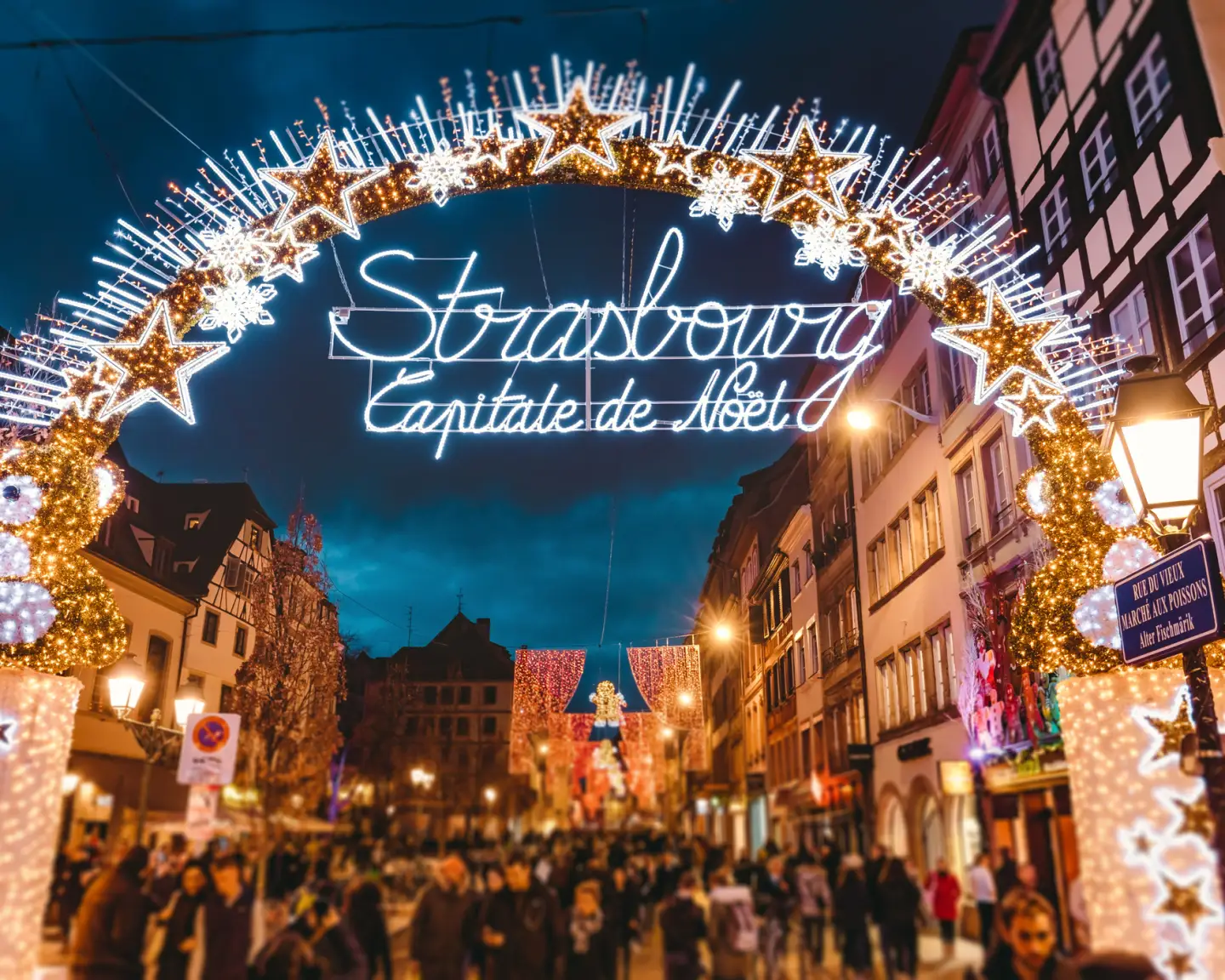
Weekend evenings - especially Saturdays in mid-December - are the busiest times across all the markets. Popular destinations like Nuremberg and Strasbourg can become extremely overly crowded during peak hours. The weekend before Christmas, when local shoppers finish holiday preparations, is typically the most packed.
For the most comfortable experience, visit on weekday mornings or early afternoons. Early December (roughly December 1–14) typically has slightly smaller crowds than mid-to-late December, along with lower hotel and transport costs.
Most markets welcome families and offer dedicated children's activities. Nuremberg's Christmas Market features a children's market called Kinderweihnacht, with carousels, puppet shows, and craft workshops designed specifically for young visitors. Many other markets include petting zoos, pony rides, and hands-on activities.
Europe's rail network connects most major Christmas market cities efficiently:
English is widely spoken at major tourist markets across Germany, Austria, and large French cities. Vendors at popular markets often speak multiple languages. That said, learning a few basic phrases adds goodwill and enhances the experience:
Translation apps help with menu items and navigating local delicacies. At smaller, local markets you may encounter less English, but friendly gestures and pointing usually suffice. The festive cheer of the holiday season tends to transcend language barriers.
Christmas markets often feature handmade crafts and ornaments that make meaningful gifts:
Planning your Christmas market getaway? A little preparation goes a long way. Most European Christmas markets take place from late November until Christmas, while some remain open until the beginning of January. Weekdays and earlier hours are usually quieter, while evenings offer the most atmospheric experience with illuminated stalls and festive lights.

Late November to December
Warm layers, comfortable shoes and weatherproof clothing

Mulled wine, gingerbread and regional specialties

Some cash – smaller traditional stalls may not always accept cards