Fly with Condor to Mauritius
5 Reasons Why You Should Travel to Mauritius
Instagrammable Spots in Mauritius
Fly with Condor to Mauritius
+
5 Reasons Why You Should Travel to Mauritius
+
Instagrammable Spots in Mauritius
+
Fly with Condor to Mauritius (MU)
Mauritius is an island nation in the Indian Ocean east of Madagascar, forming part of the Mascarene Islands. The country includes the main island of Mauritius and several smaller islands, with a volcanic interior and coral reefs and lagoons around much of the coastline. Mauritius has a tropical maritime climate, with a warmer and more humid period from about November to April and a cooler, drier season from about May to October. Port Louis is the capital and the main urban center, while much of the population lives along the island’s coastal plain.
☀️ Best time to go: May–October, cooler and generally drier weather with lower humidity than the summer months
🏛️ Best known for: Island lagoons, Coral reefs, Creole culture, Indian Ocean beaches, Hiking landscapes
🗣️ Language: English and French are used in official settings; Mauritian Creole is the most commonly used language in daily life.
✈️ Airport: Sir Seewoosagur Ramgoolam International Airport (MRU)
5 Reasons Why You Should Travel to Mauritius (MU)
1. Lagoon coasts framed by coral reef waters
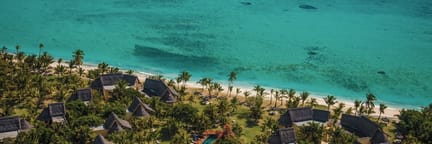
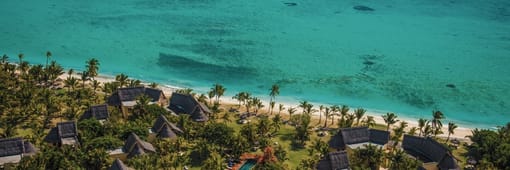
Turquoise lagoons wrap much of Mauritius, with reefs that soften waves close to shore. Spots like Blue Bay Marine Park invite snorkeling over coral gardens. Conditions vary, so follow local advice and respect protected areas.
2. Market towns mixing many island food traditions
In Port Louis, the Central Market fills the air with spice, fried snacks and tropical fruit. Try dholl puri, gateau piment and rougaille flavors shaped by several communities. Go early for the best stalls and freshest produce.
3. Mountain ridges and rainforest hiking routes
The island’s interior rises into ridges, waterfalls and misty forest. Black River Gorges National Park has lookouts and trail networks with native plants and birdlife. Stay on marked paths, bring water and choose guides for longer hikes.
4. Volcanic landscapes from cliffs to colored earth
Mauritius is built from volcanic rock, and the scenery shows it in dramatic ways. Around Chamarel, viewpoints, gorges and the Seven Colored Earth Geopark reveal shifting tones in the soil. Keep to paths and barriers in fragile areas.
5. Island culture shaped by faith and festivals
Temple bells, church choirs and calls to prayer sit naturally beside daily routines across Mauritius. At Grand Bassin and in Port Louis, you’ll see how faith is practiced through offerings, music and dress. Visit respectfully during ceremonies.
Instagrammable Spots in Mauritius (MU)
Red-roof frames at Notre-Dame Auxiliatrice, Cap Malheureux
A small church with a vivid red roof sits just steps from the sea, giving you a clean, graphic subject against layers of turquoise water and pale sky. From the churchyard, you can align the bright facade with the ocean horizon for a simple, high-contrast composition. On clear days, the headland backdrop adds extra depth without cluttering the scene. Photography rules can vary by area, so follow current signage and staff guidance and keep a respectful distance if a service is underway. #ColorPlayVibes #ArchitecturalDetails #JourneyInFrames
Coastal curve drama from Macondé viewpoint
A sharp bend in the coastal road reveals a cliffside lookout where land drops toward open ocean, creating bold lines and a strong sense of scale. The palette is pure Mauritius: dark volcanic rock, bright surf and a band of tropical greens above the shoreline. You’ll get striking wide shots when swells break against the rocks and the water shifts from deep blue to electric turquoise. The stairs and edges can be exposed in wind, so stick to the designated viewpoint areas. #ChasingViews #LinesAndShadows #OceanDreamscape
Rainbow earth textures at Chamarel Seven Colored Earth
Bands of mineral-rich dunes form a natural color field that looks almost painted, especially when sun and passing clouds intensify the contrast. From the viewing platforms, the rolling shapes read like abstract art, with pockets of green forest framing the scene. The layered tones photograph best when the light is soft enough to keep detail in the darker reds and browns. Pair a wider view with tighter crops of the rippled surfaces for a feed that feels both epic and graphic. #TextureHunter #NatureTextures #DreamyVisuals
Mist and jungle depth at Chamarel Waterfall viewpoint
A deep gorge opens to a tall waterfall framed by dense greenery, giving you instant vertical drama and rich, saturated tones. In calmer light, the ravine’s shadows add depth while the white water becomes a bright focal point against the forest. After rain, the flow can look heavier and more sculptural, while drier periods emphasize the cliff lines and layered vegetation. The viewpoint makes it easy to capture the full scene without forcing the scale. #MoodySkies #NatureInFrames #EpicScenery
Cloud-forest panoramas at Alexandra Falls viewpoint
Highland air and shifting clouds turn this national-park viewpoint into a changing scene, with green ridges fading into hazy layers. The waterfall itself becomes a small but bright accent that anchors the wider landscape. When the sky breaks, the contrast between dark forest and sunlit slopes creates a cinematic look that feels far from the coast. This stop shines on days when weather moves quickly and the light keeps changing. #MoodyFrames #WideOpenSpaces #ChasingLight
Wild-south wave patterns at Gris Gris cliffs
Without a protective reef, the southern coast shows Mauritius at its most dramatic, with heavy waves smashing into black rock and spraying white foam across the edges. The cliff textures, wind-shaped trees and restless sea create strong movement for both photos and short video clips. You can also capture the contrast between the calmer cove and the open ocean just beyond it. Sea conditions can be rough here, so avoid wet rocks and stay back from the cliff edge. #SeasideSerenity #ShadowPlay #StoriesInMotion
Lagoon color gradients at Île aux Cerfs
Shallow water fans out in layers of mint, teal and deep blue, creating natural color gradients that look clean from almost any angle. Bright sand and palm shadows add simple foreground shapes, while boats in the lagoon provide scale and a sense of place. The scene is especially striking when the sun is high enough to light up the water but the sky stays clear and pale. Walk a little away from the busiest landing spots and you’ll find calmer frames with more space. #TurquoiseWaters #PalmShadows #AestheticEscape